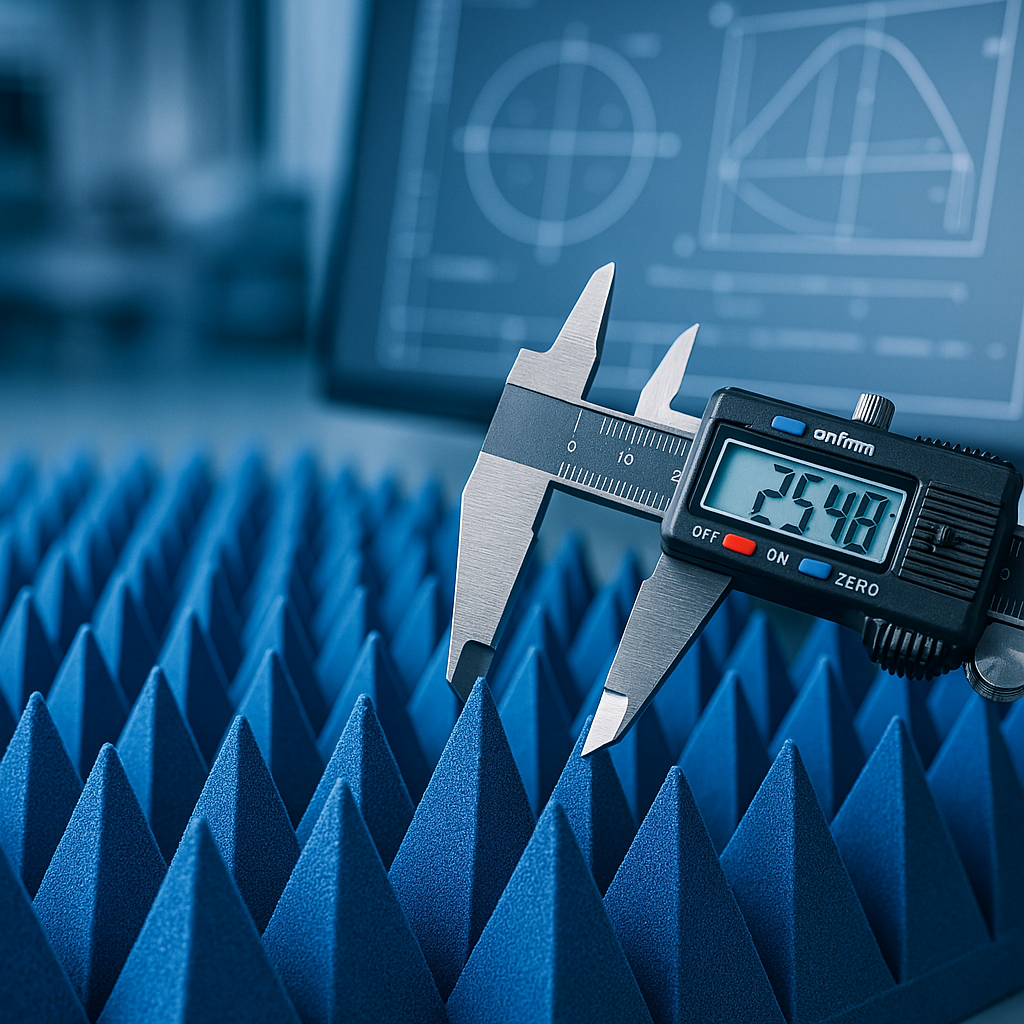
How to Choose the Right EMC Shielding Materials for Your Device

How to Choose the Right EMC Shielding Materials for Your Device
Picking the wrong EMC shielding material is one of the most common — and costly — mistakes in electronics development. Up to 50% of electronic products fail compliance testing on the first attempt, and poor material selection is a major contributor. Getting it right from the start saves significant time, money, and rework down the line.
Why the "Right" Material Isn't Always Obvious
EMC shielding isn't a one-size-fits-all solution. The material that works perfectly for a medical monitor may be completely wrong for a ruggedized industrial controller — even if both devices face similar interference problems. Before comparing options, there are a few core factors worth understanding.
The Frequency Factor: It Changes Everything
The type of electromagnetic interference a device produces, or encounters, determines which materials will actually work. High-frequency RF interference, common in wireless and digital electronics, calls for highly conductive metals like copper or aluminum. Low-frequency magnetic interference — the kind generated by power transformers and motors — is a different beast. It passes through most metals and requires ferromagnetic materials with high magnetic permeability, such as mu-metal.
Matching the material to the frequency range isn't optional. It's the starting point for any sensible selection process.
What Else Shapes the Decision?
Beyond frequency, three other factors consistently influence which EMC shielding materials make sense:
- Operating environment — temperature extremes, humidity, and chemical exposure affect long-term conductivity and mechanical integrity. Aluminum, for instance, corrodes when it contacts copper without protective isolation.
- Form factor and weight — rigid metal enclosures suit benchtop equipment, but wearables and flexible assemblies need conductive fabrics, foils, or foam instead.
- Budget — silver-filled elastomers offer excellent performance but at a significant cost premium over nickel-coated alternatives or basic aluminum foil tape.
The Main Materials — and Where Each One Actually Belongs
There's a wide range of EMC shielding materials available, and each serves a specific purpose. Choosing between them means understanding what problem each one is designed to solve.

Metals: The Foundation of Most Shielding Solutions
Metal enclosures remain the most common approach to EMC shielding across industries, and for good reason — they're effective, durable, and well-understood. The three most widely used options each have a clear strength:
- Aluminum — lightweight, cost-effective, and good for high-frequency shielding. A practical default for consumer electronics, telecom equipment, and aerospace housings.
- Copper — the highest conductivity of any common shielding metal, effective against both electric and magnetic fields. Used in RF enclosures, PCB shielding cans, and grounding systems. More expensive than aluminum.
- Stainless steel — mechanically strong and corrosion-resistant, with solid performance against low-frequency magnetic fields. Common in industrial equipment and harsh-environment applications.
For magnetic-field-specific challenges, mu-metal is worth considering. It has extremely high magnetic permeability, making it ideal for sensors, transformers, and precision audio equipment — though it's softer and harder to work with than the metals listed above.
Gaskets and Elastomers: Sealing the Gaps
A metal panel with poor seam treatment can perform far worse than expected. Conductive gaskets solve this by maintaining electrical continuity across joints, seams, and gaps — even when panels flex or expand with heat.
EMI gaskets come in several forms: knitted wire mesh, conductive foam, fabric-over-foam, and solid conductive elastomers. For enclosures that need both EMI sealing and protection against dust or moisture, silicone-based conductive elastomers handle both in a single component. Military-grade versions, such as those tested under MIL-DTL-83528C, can achieve shielding effectiveness of 110 dB at 10 GHz — a benchmark that reflects just how capable the right gasket can be.
Coatings, Foils, and Conductive Tapes
Not every product can accommodate a metal enclosure. Plastic housings are lighter and cheaper, but they don't shield on their own. Conductive coatings — typically containing copper, nickel, or silver particles — are sprayed or brushed onto plastic surfaces to create a conductive shell. This approach is popular in IoT devices, wearables, and compact consumer electronics.
For EMC cable shielding during prototyping or in final designs with irregular geometry, conductive foil tapes offer a practical fix. They're adhesive-backed, easy to apply, and useful for quickly evaluating whether shielding addresses a specific interference problem before committing to a permanent solution. In high-performance cable assemblies, a foil shield and a braid shield are often combined — the foil provides full coverage, while the braid handles termination strength and mechanical durability.

A Smarter Approach to Selecting Materials
Knowing the material options is one thing. Applying them correctly is another. A structured selection process prevents the most common mistakes.
Define Requirements Before Looking at Datasheets
The most common error is starting with a preferred material rather than a defined set of requirements. Before comparing products, establish:
- The frequency range of concern (what interference is present or generated)
- Required attenuation in decibels
- Operating temperature range and IP rating, if applicable
- Weight and flexibility constraints
- Regulatory standards to meet — FCC Part 15, CE under the EMC Directive 2014/30/EU, or others
With these parameters defined, the viable material list narrows considerably on its own.
Test Early — Before It Gets Expensive
Pre-compliance testing typically costs 10–30% of full certification, and it can catch shielding problems while they're still cheap to fix. Waiting until formal testing to discover that a gasket compresses unevenly, or that a coating has thin spots, leads to delays and redesign costs that far exceed what early testing would have cost.
EMC cable shielding deserves particular attention during this phase. A well-shielded enclosure with poorly terminated cable shields will still fail radiated emissions testing. How and where the cable braid or foil connects to the enclosure ground often matters more than the shield material itself.
Think About Long-Term Performance
A material that meets shielding requirements in the test chamber but degrades in the field isn't a real solution. Galvanic compatibility between dissimilar metals, gasket compression set over time, and coating adhesion under thermal cycling all affect real-world reliability — and none of these show up in a single compliance test.
Matching Material to Purpose
The right EMC shielding material depends on a specific set of conditions: frequency, environment, form factor, and how the shielding integrates into the overall mechanical design. Copper leads in conductivity. Aluminum balances weight and cost. Mu-metal addresses magnetic fields others can't. Conductive elastomers seal what rigid metals cannot. Foils and coatings bridge the gaps where enclosures don't fit.
The goal isn't to find the "best" material in isolation — it's to find the right one for the actual problem at hand.