Understanding RF Interference: Causes, Effects, and Solutions for Clearer Signals
Radio frequency interference disrupts electronic communications across countless devices daily. Modern society relies heavily on wireless technology, from smartphones to Wi-Fi networks, making clear signal transmission more critical than ever. When RF interference occurs, it can cause dropped calls, slow internet speeds, and equipment malfunctions that affect both personal and professional environments.
The growing number of wireless devices creates an increasingly crowded radio spectrum. Understanding the sources of interference and implementing effective solutions helps maintain reliable communications in homes, offices, and industrial facilities.
What is RF Interference
RF interference happens when unwanted radio signals disrupt the normal operation of electronic devices. These disruptions occur across the electromagnetic spectrum, which ranges from 9 kHz to 300 GHz. The interference can manifest as static in audio equipment, pixelated television images, or complete loss of wireless connectivity.
How RF Signals Behave
Radio waves travel at light speed and interact differently with various materials and environmental conditions. Lower frequencies penetrate obstacles better but offer limited bandwidth. Higher frequencies provide greater data capacity but have reduced range and penetration capabilities.
Weather conditions significantly impact radio wave propagation. Temperature changes, humidity levels, and atmospheric pressure can cause signals to bend or reflect unexpectedly. These natural phenomena contribute to interference patterns that vary throughout the day and across seasons.
Primary Sources of RF Interference
Wireless Network Congestion
Modern Wi-Fi networks operate primarily in two frequency bands: 2.4 GHz and 5 GHz. The 2.4 GHz band suffers from severe overcrowding due to widespread adoption and limited available channels. Multiple networks operating on overlapping channels create persistent interference that degrades performance for all users.
Bluetooth devices share the 2.4 GHz spectrum with Wi-Fi networks. Wireless keyboards, mice, headphones, and gaming controllers all compete for the same frequency space. Dense urban environments with numerous wireless networks experience the most severe congestion problems.
Common Household Equipment
Several everyday appliances generate significant RF interference. Microwave ovens operate at 2.45 GHz, directly interfering with Wi-Fi signals and Bluetooth connections. The interference occurs in cycles, matching the magnetron's operation pattern within the microwave.
Fluorescent lighting systems create broadband interference across multiple frequency ranges. Older fixtures with magnetic ballasts produce more interference than modern electronic ballasts. LED lighting systems can also generate interference, particularly when controlled by dimmer switches or wireless controls.
Industrial and Electronic Sources
Manufacturing facilities contain numerous sources of RF interference. Electric motors, welding equipment, and power tools generate interference through electrical arcing and rapid switching operations. These sources often produce broadband interference that affects multiple communication systems simultaneously.
Aging electronic equipment frequently develops interference problems due to component degradation and compromised shielding. Loose connections, corroded contacts, and worn cables create unintended RF emissions. Cable television systems with damaged coaxial cables commonly leak signals and pick up external interference.
Detecting RF Interference
Recognizing Interference Symptoms
Different types of equipment exhibit distinct interference symptoms. Wi-Fi networks show reduced data speeds, increased latency, and frequent disconnections. These problems often occur at specific times or correlate with nearby equipment operations.
Audio systems affected by RF interference produce various unwanted sounds:
- Buzzing or humming noises
- Clicking sounds during transmissions
- Static that varies with nearby activity
- Multiple radio stations heard simultaneously
Television reception problems include pixelated images, audio dropouts, and complete signal loss. Cell phone users may experience dropped calls, poor voice quality, or difficulty connecting to networks. GPS devices can show inaccurate location data or lose satellite signals intermittently.
Detection Methods and Tools
Professional RF interference detection requires specialized equipment, but basic troubleshooting can identify many common sources. Spectrum analyzers provide detailed frequency domain views, showing interference sources and their relative strengths. Portable field analyzers help technicians locate interference sources quickly and accurately.
Systematic testing involves temporarily disabling suspected interference sources while monitoring affected equipment. This elimination process can identify specific appliances or devices causing problems. Timing observations often reveal patterns that correlate interference with particular activities or equipment usage.
How to Stop RF Interference
Shielding Solutions
RF shielding blocks unwanted signals from reaching sensitive equipment. Three materials provide effective shielding for different applications and budgets.
Copper Shielding
Copper offers superior conductivity and shielding effectiveness across all frequency ranges. Its natural corrosion resistance and malleability make it suitable for custom applications. The high material cost limits copper shielding to critical applications requiring maximum performance.
Aluminum Alternatives
Aluminum provides cost-effective shielding for frequencies above 30 MHz. While offering only 60% of copper's conductivity, aluminum costs significantly less and remains highly effective for most applications. Corrosion protection becomes necessary in humid environments.
Steel-Based Options
Steel shielding offers broad-spectrum protection at reasonable costs. Various steel grades provide different levels of conductivity and corrosion resistance. Galvanized steel combines affordability with adequate corrosion protection for most environments.
Filtering and Suppression Techniques
RF filters prevent interference from entering equipment through power lines and signal cables. Low-pass filters allow desired signals while blocking higher-frequency interference. Band-stop filters eliminate specific interference frequencies while preserving adjacent signals.
Ferrite cores provide simple cable-based suppression of common-mode interference. These clip-on devices require no equipment modifications and offer immediate RF interference reduction. Different ferrite materials work optimally at specific frequency ranges.
Power line filters protect equipment from conducted interference through electrical systems. Individual filters are installed between equipment and wall outlets. Whole-facility filters protect entire buildings from power line interference.
Environmental and Operational Solutions
Strategic equipment placement reduces interference without additional hardware. Distance provides natural attenuation following the inverse square law of radio propagation. Doubling the separation distance reduces interference by approximately 75%.
Natural barriers offer RF attenuation in many situations. Concrete walls, metal structures, and underground installations provide inherent shielding against various interference sources. Facility planning can minimize future interference problems through proper layout and construction choices.
Advanced Mitigation Strategies
Professional Shielding Systems
Complex environments often require engineered shielding solutions tailored to specific applications. Shielded rooms provide complete isolation for sensitive equipment or testing facilities. These installations balance RF isolation with practical requirements for ventilation, power distribution, and personnel access.
Modular shielding systems offer flexible deployment options for changing requirements. These systems can expand or reconfigure as operations grow or evolve. Proper installation and maintenance ensure long-term effectiveness while accommodating necessary modifications.
Regulatory Compliance
Electromagnetic compatibility regulations govern RF emissions from electronic devices and provide interference resolution guidance. Federal Communications Commission rules establish emission limits and enforcement procedures. International standards specify technical requirements for shielding and filtering effectiveness.
Professional installation may be required for certain applications, particularly safety-critical communications or government facilities. Qualified technicians perform shielding effectiveness measurements and provide compliance documentation.
Maintenance and Testing
Regular testing ensures continued shielding effectiveness over time. Environmental factors, mechanical stress, and component aging gradually degrade performance. Preventive maintenance programs identify problems before they compromise system operation.
Periodic measurements verify that shielding installations continue to meet original specifications. Documentation tracks performance changes and guides maintenance scheduling. Professional testing services provide accurate measurements using calibrated equipment.
Frequency Management Approaches
Channel Selection and Coordination
Proper frequency coordination eliminates interference between systems under common management. Wi-Fi networks benefit from non-overlapping channel selection and strategic placement. Professional coordination services help complex installations avoid interference through systematic planning.
Time-division schemes allow multiple systems to share frequency resources without RF interference. Coordinated transmission schedules prevent the simultaneous operation of conflicting systems. Automated coordination systems adjust transmission timing based on real-time interference measurements.
Emerging Technologies
Newer wireless technologies incorporate interference mitigation features. The frequency-hopping spread spectrum rapidly changes transmission frequencies to avoid interference. Adaptive systems automatically adjust power levels and frequencies based on interference conditions.
Software-defined radio platforms enable flexible interference mitigation through programmable signal processing. These systems can implement custom filtering and suppression algorithms tailored to specific interference scenarios.
Conclusion
RF interference management requires an understanding of the sources, effects, and available mitigation techniques for various environments and applications. From simple household interference to complex industrial facilities, systematic approaches to detection and resolution provide reliable results.
Effective interference mitigation involves utilizing proper detection methods, implementing appropriate shielding or filtering solutions, and maintaining ongoing programs. The investment in professional interference management pays dividends through improved system reliability, enhanced performance, and reduced operational disruptions.
Success depends on matching mitigation techniques to specific interference sources and operational requirements. As wireless technology continues to expand, proactive interference management becomes increasingly important for maintaining the reliable communications that modern society depends on. Regular assessment and updates ensure that interference mitigation remains effective as technology and usage patterns evolve.
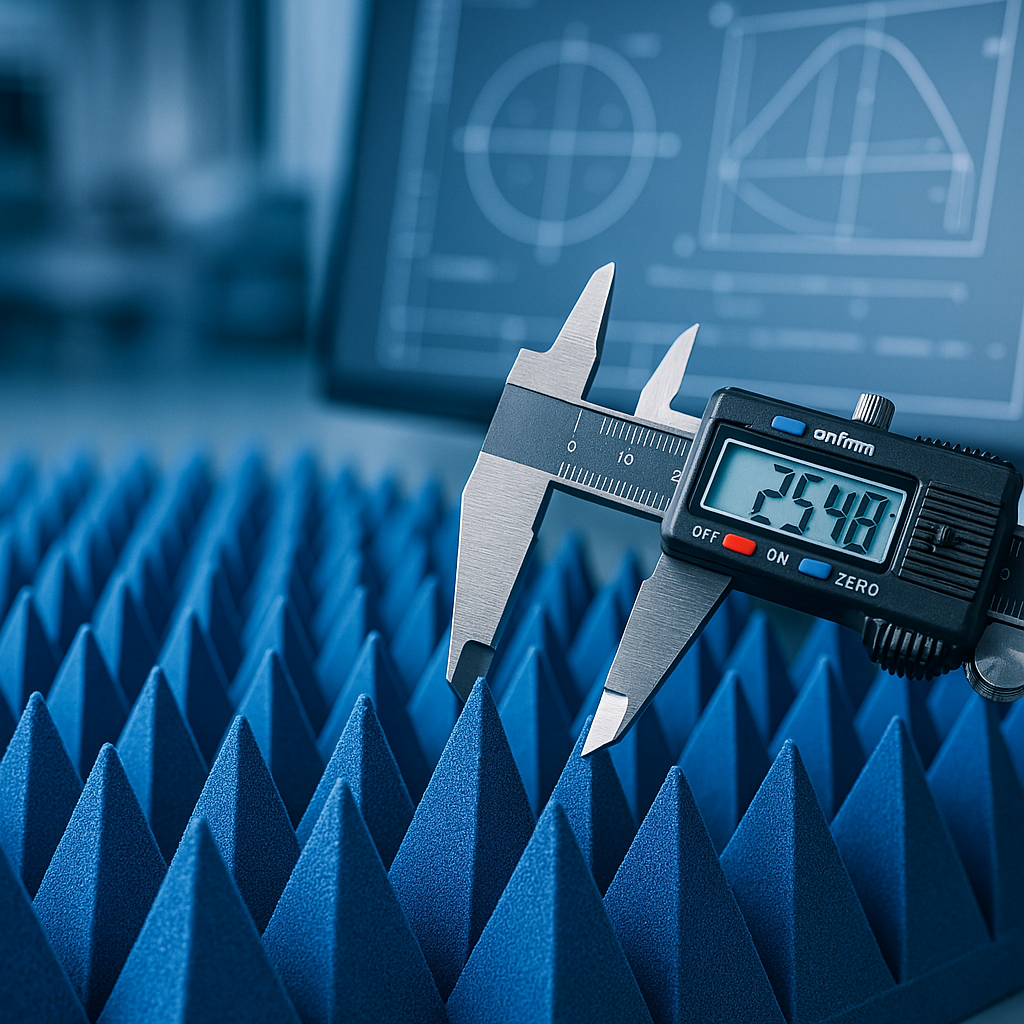
Looking for high-quality RF absorbers? Browse our in-stock pyramidal absorbers — shipping from California in 1-2 business days.