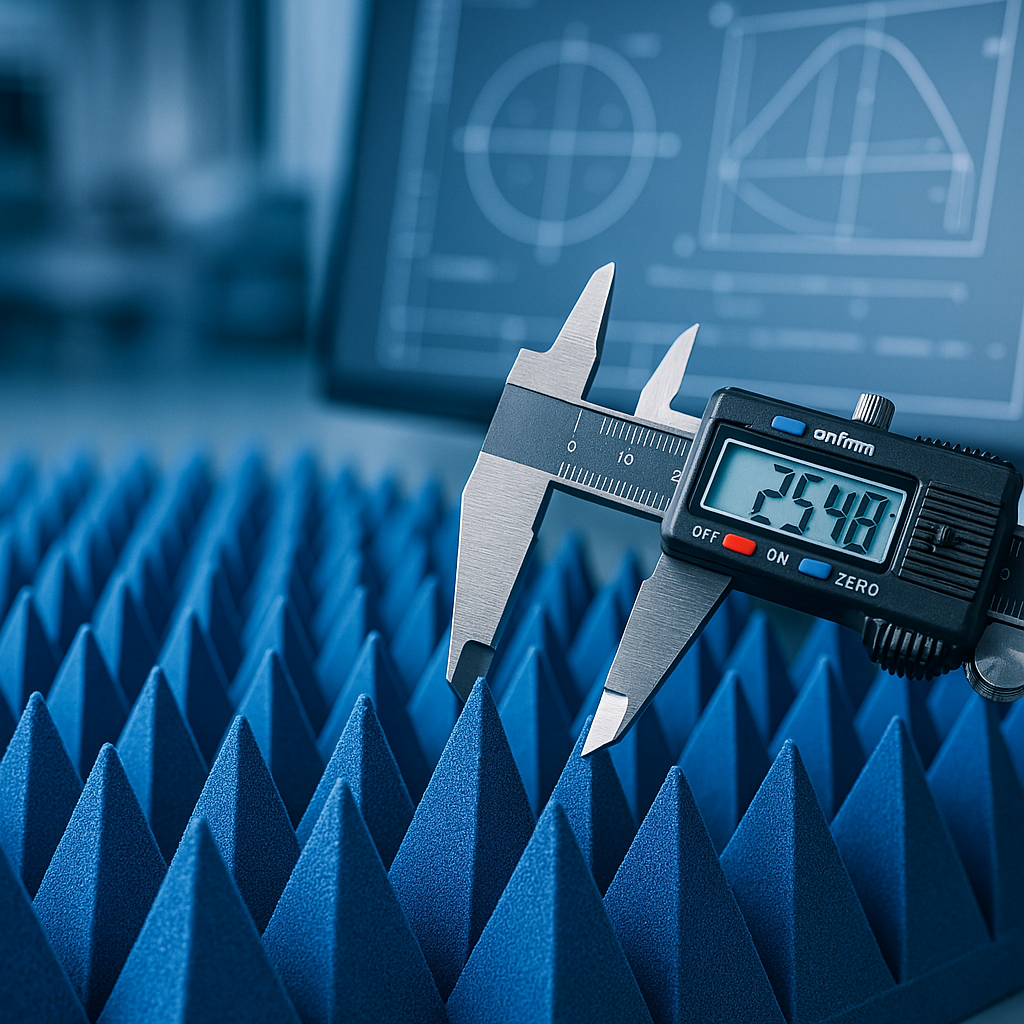
Breaking Down the Science of EMC Absorbers: How They Tackle Electromagnetic Chaos
Modern electronics have created an invisible problem most people never think about. Every device around you—smartphones, laptops, medical monitors, car sensors—generates electromagnetic waves. When these waves interfere with each other, they create electromagnetic interference, or EMI. This interference can crash computer systems, distort communication signals, or cause medical equipment to malfunction. That's where EMC absorbers step in as the unsung heroes of our connected world.
Managing EMI isn't just good practice. It's critical for sensitive devices across industries. Medical equipment needs to operate without interference that could affect patient safety. Communication systems must maintain clear signals. Consumer electronics must meet strict regulatory standards. Understanding electromagnetic compatibility helps engineers design better products. The consequences of poor electromagnetic compatibility range from annoying glitches to genuine safety hazards, making effective EMI management non-negotiable.
Understanding EMC Absorbers
Definition and Functionality of EMC Absorbers
So what exactly are these EMC absorbers everyone in the engineering world keeps talking about?
Basically, EMC absorbers are special materials. They're made to deal with electromagnetic waves that could cause trouble. Think of them like acoustic foam, but for electromagnetic energy. These materials soak up those waves to cut down on interference. When electromagnetic radiation hits an EMC absorber, the material turns that energy into heat. It then lets that heat spread out instead of bouncing back into delicate circuits.
What makes EMC absorbers work well really comes down to the materials they're made from. Different materials can absorb waves at different levels, depending on the frequency. Some common EMC absorber materials include foams with carbon in them, ferrite composites, and special plastics mixed with conductive or magnetic bits. Each material has its own quirks. Some are great for high frequencies, while others do better with lower ones. Choosing the right one means matching the absorber's features to the specific electromagnetic issues you're facing.
The Science Behind EMC Absorbers
Magic happens at the molecular level, where material science meets electromagnetic physics.
When an electromagnetic wave hits an EMC absorber material, a few things happen: it gets absorbed, reflected, or sent through. We really want to absorb as much as possible, while keeping reflection and transmission to a minimum. Materials do this by using dielectric loss and magnetic loss.
Dielectric materials work by polarizing their molecules when electromagnetic waves hit them. This creates friction, which turns the electromagnetic energy into heat. Magnetic materials, on the other hand, respond through things like magnetic hysteresis and eddy currents.
These days, EMC absorbers often have a layered design. Each layer uses different materials that are really good for specific frequency ranges. The outer layers deal with high-frequency interference, and the inner layers handle the lower frequencies. This approach gives us solutions that work across a wide range of frequencies.
Types of EMC Absorbers and Materials
Different Types of EMC Absorbers
Electromagnetic absorption offers several distinct approaches, each suited to different situations.
Resistive Absorbers work through resistive losses in conductive materials. These absorbers typically contain carbon-based materials that convert electromagnetic energy into heat through electrical resistance. They're effective at higher frequencies and find use in anechoic chambers and testing environments.
Magnetic Absorbers leverage magnetic materials like ferrites to interact with the magnetic component of electromagnetic waves. These materials create magnetic losses through domain wall movement and spin rotation. They excel at lower to mid-range frequencies, making them ideal for consumer electronics applications.
Dielectric Absorbers utilize materials with specific dielectric properties to create electric field losses. These materials often combine polymers with conductive fillers, creating a balance between flexibility and absorption performance. They work across various frequency ranges depending on their formulation.
Popular EMC Absorber Materials
The materials landscape continues to expand as technology demands better performance. Here are key options:
- Ferrite-based materials remain workhorses in the EMC world, offering excellent magnetic loss properties for frequencies up to several gigahertz. They come in tiles, sheets, and custom shapes. To learn more about ferrite materials and electromagnetic properties.
- Carbon-loaded foams and elastomers provide lightweight, flexible solutions that conform to irregular surfaces. Their absorption characteristics adjust with carbon content and foam density.
- Hybrid composite materials combine multiple absorption mechanisms in engineered structures. These materials integrate magnetic particles within conductive polymer matrices, delivering broad-spectrum performance.
Application of EMC Absorbers in Real-World Scenarios
EMC Absorbers in Electronics Design
Circuit board designers face constant electromagnetic challenges. High-speed digital circuits generate harmonics that interfere with sensitive analog components nearby. Strategic absorber material placement between components creates electromagnetic barriers preventing crosstalk. Smartphone manufacturers use ultra-thin absorber sheets to isolate camera modules from radio transmitters.
Role in Automotive and Aerospace Industries
Modern cars have a lot of electronic control units, and they all need to work together without causing problems for each other. For example, car radar systems need to be clear of any noise from the entertainment systems. Also, electronic brake controls have to stay free from electromagnetic interference.
Things get even trickier in aerospace. There, interference could really mess with navigation or flight controls. Both of these industries really depend on EMC absorber material solutions. These materials are made to handle tough conditions like extreme temperatures and shaking, and they need to last a long time.
Medical Equipment Protection
Medical devices operate in electromagnetically noisy hospitals filled with wireless networks and equipment. MRI machines generate electromagnetic fields that could interfere with nearby monitoring equipment. Implantable devices like pacemakers must resist external interference, while cardiac monitors need protection from radio frequency noise. Healthcare depends on robust EMC absorption for patient safety.
Key Factors That Affect the Performance of EMC Absorbers
Frequency Range and Bandwidth
Not all absorbers work equally across frequencies. An EMC absorber material that excels at blocking WiFi frequencies might offer little protection against lower-frequency motor noise. Designers must match absorber specifications to their frequency challenges, sometimes requiring multiple absorber types.
Temperature Sensitivity and Durability
Environmental conditions impact absorber performance. Some materials lose effectiveness at elevated temperatures, while others become brittle in cold. Applications in automotive engine compartments or outdoor telecommunications need absorbers rated for extreme temperature ranges.
Material Thickness and Layering
Absorption effectiveness improves with thickness, but practical constraints limit material additions. Each material has an optimal thickness for specific frequencies. Thinner sections work for high frequencies, while lower frequencies demand greater thickness. Multi-layer designs optimize performance across broader frequency ranges.
Surface Area and Placement
Location matters in EMC design. Placing absorber material directly in the path of problematic electromagnetic waves yields better results. Surface area coverage affects effectiveness—partial coverage might leave interference pathways open. Engineers use simulation tools to identify hot spots where absorber placement delivers maximum benefit.
Summing Up the Role of EMC Absorbers
The invisible electromagnetic environment surrounding modern technology presents real challenges that demand practical solutions. EMC absorbers transform problematic electromagnetic energy into harmless heat, enabling reliable operation across industries from consumer electronics to aerospace systems.
As devices grow more complex and compact, electromagnetic compatibility becomes increasingly critical. Incorporating appropriate EMC absorber material into your designs protects functionality and ensures compliance.
Looking for high-quality RF absorbers? Browse our in-stock pyramidal absorbers — shipping from California in 1-2 business days.