Top 5 Uses of an EMI Chamber in Modern Electronics Development
Meta description: Explore the top 5 uses of an EMI chamber in electronics, including pre-compliance testing, radiated emissions, and more for reliable product development.
Top 5 Uses of an EMI Chamber in Modern Electronics Development
Electronic devices surround us everywhere, from smartphones buzzing in pockets to smart home systems managing daily routines. Behind each successful product launch lies rigorous testing that ensures these devices won't interfere with critical systems, such as medical equipment or aviation controls. An EMI chamber provides the controlled environment engineers need to validate their designs against strict electromagnetic compatibility standards.
Modern electronics face unprecedented challenges as device complexity increases while size constraints tighten. A single smartphone contains multiple wireless radios, high-speed processors, and sensitive circuits that must coexist without causing interference. Without proper testing facilities, even minor design oversights can lead to costly product recalls or regulatory rejections.
What Makes EMI Chambers Essential for Electronics Testing
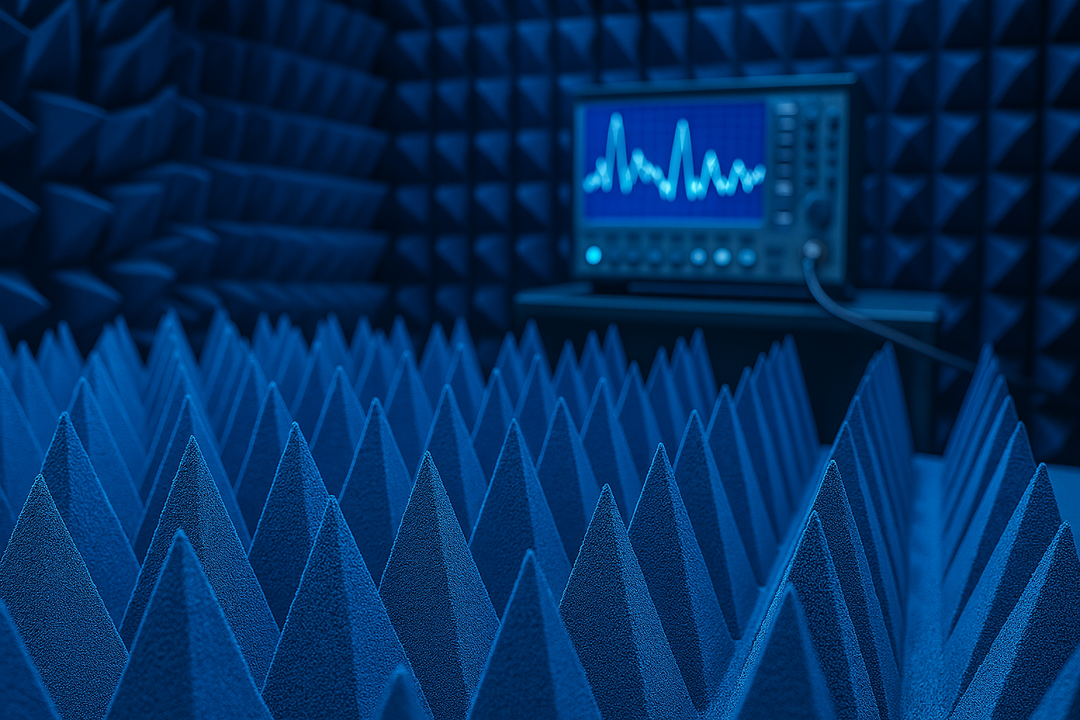
An EMI chamber creates an electromagnetic "quiet zone" where external interference cannot corrupt test results. These specialized facilities combine metallic shielding with precision-engineered absorbing materials to eliminate both incoming signals and internal reflections. The result is a testing environment that closely mimics free-space conditions while providing complete isolation from the electromagnetic chaos of the outside world.
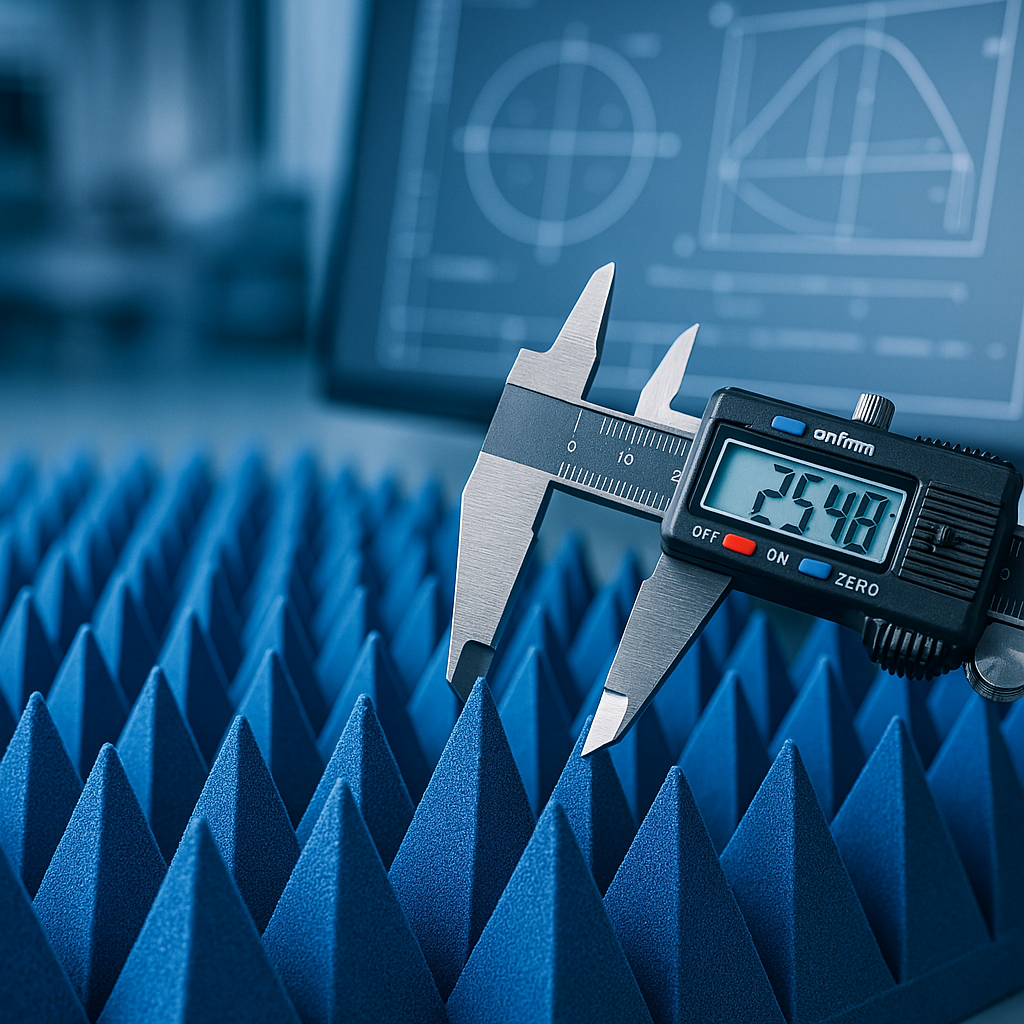
The absorbing materials lining chamber walls typically feature pyramidal shapes made from carbon-loaded foam. These structures gradually transition electromagnetic waves from air into lossy materials, preventing the reflections that would otherwise contaminate measurements. Some chambers also use ferrite tiles for lower frequency applications, creating broadband absorption across the entire testing spectrum.
Chamber Construction and Key Components
Modern EMI chambers incorporate several critical elements that work together to create optimal testing conditions:
- Metallic shielding walls constructed from welded steel panels
- RF absorbing materials designed for specific frequency ranges
- Filtered power and data connections to maintain isolation
- Specialized door seals that preserve shielding integrity
- Environmental controls for temperature and humidity management
Chamber dimensions vary significantly based on the intended application. Desktop enclosures serve component-level testing, while room-sized facilities accommodate full systems. An RF test chamber designed for automotive applications may span the proportions of an aircraft hangar to house complete vehicles during electromagnetic compatibility validation.
The frequency range determines many design parameters. Low-frequency testing around 100 MHz requires absorbing pyramids several feet in length, potentially creating chamber heights exceeding 30 feet. Higher-frequency applications enable more compact absorber designs while maintaining excellent performance characteristics.
#1 Pre-Compliance Testing: Catching Problems Early
Pre-compliance testing transforms electromagnetic compatibility from a final hurdle into an integrated design process. Rather than discovering interference issues during expensive formal certification, engineering teams can identify and resolve problems throughout development cycles. This proactive approach saves substantial time and money while reducing the stress associated with looming product launch deadlines.
Design engineers use EMI chambers to evaluate different circuit layouts, component selections, and shielding strategies. The controlled environment enables meaningful comparisons between design iterations, eliminating concerns about external interference or changing environmental conditions. Teams can experiment freely, knowing that measurement results accurately reflect their design choices rather than external variables.
Benefits of Early EMI Testing
Smart development teams recognize several advantages when implementing comprehensive pre-compliance programs:
- Reduced certification costs through fewer formal test failures
- Faster time-to-market by avoiding late-stage design changes
- Improved product quality through iterative optimization
- Lower development stress with predictable compliance outcomes
The financial impact becomes clear when considering formal compliance testing costs. Accredited laboratory testing can consume thousands of dollars per product variant while requiring weeks of advance scheduling. Failed tests trigger additional expenses for re-design, re-testing, and delayed market introduction. An in-house EMI chamber eliminates these external dependencies while enabling unlimited testing iterations.
#2 Radiated Emissions Testing: Measuring Electromagnetic Footprints
Every electronic device generates electromagnetic emissions as an inevitable byproduct of operation. Radiated emissions testing quantifies these electromagnetic signatures to ensure compliance with regulatory limits established by organizations like the Federal Communications Commission and international standards bodies.
The testing process places devices on rotating tables within RF anechoic chambers while specialized antennas collect emissions across specified frequency ranges. Chamber-absorbing materials ensure that only direct emissions from test devices reach measurement antennas, eliminating reflections that could artificially inflate or reduce the recorded field strengths.
Advanced Emissions Testing Capabilities
Modern automated systems streamline the traditionally time-intensive emissions testing process. These systems perform comprehensive frequency sweeps while simultaneously adjusting multiple test parameters:
- Device rotation through complete 360-degree cycles
- Antenna height adjustment for optimal signal reception
- Polarization changes to capture maximum emission levels
- Distance optimization based on regulatory requirements
The resulting data provides detailed electromagnetic signatures that identify specific frequencies where emissions approach or exceed regulatory limits. Engineers use this information to implement targeted design changes rather than applying broad-spectrum fixes that might compromise product performance or increase manufacturing costs.
#3 Radiated Immunity Testing: Ensuring Reliable Operation
Electronic devices must maintain normal operation when exposed to electromagnetic interference from external sources. Radiated immunity testing subjects devices to precisely controlled electromagnetic fields while monitoring performance for any signs of susceptibility or malfunction. This testing proves particularly critical for safety-related applications where interference-induced failures could have serious consequences.
High-power transmitters within EMI chambers generate calibrated electromagnetic fields that simulate real-world interference scenarios. Test engineers observe device behavior during exposure, documenting any performance degradation or functional disruptions. The chamber's excellent shielding prevents these high-power test signals from escaping and potentially interfering with nearby electronic systems.
Immunity Testing Parameters and Standards
Comprehensive immunity testing evaluates device performance across multiple exposure conditions:
- Field strengths ranging from 1 to 30 volts per meter
- Frequency coverage from 80 MHz to several gigahertz
- Various modulation schemes simulating different interference sources
- Multiple sweep rates representing different environmental conditions
Different industries maintain specific immunity requirements based on their operational environments. Medical devices face stringent requirements due to patient safety concerns, whereas consumer electronics have more relaxed standards that reflect their typical usage scenarios. Automotive systems require intermediate immunity levels that account for the electromagnetically harsh vehicle environment.
#4 Antenna Testing: Optimizing Wireless Performance
The wireless revolution has made accurate antenna characterization essential for product success. An RF chamber provides the ideal environment for measuring antenna radiation patterns, gain, efficiency, and other performance parameters, free from interference from external signals or environmental reflections.
Antenna testing involves mounting devices on precision positioning systems while measurement antennas collect radiated signals from various angles and distances. Advanced chambers incorporate near-field scanning capabilities that map electromagnetic fields in three-dimensional space around antennas under test. This detailed characterization enables engineers to optimize designs for specific applications while ensuring compliance with relevant regulations.
Critical Antenna Performance Metrics
Professional antenna testing evaluates several key parameters that determine wireless system performance:
- Radiation patterns showing directional characteristics
- Antenna gain indicating signal amplification capabilities
- Efficiency measurements revealing power conversion effectiveness
- Impedance matching affecting power transfer optimization
Efficiency measurements prove particularly valuable for battery-powered devices where power consumption directly impacts operating time. Chamber-based testing provides accurate efficiency data that simulation tools cannot replicate with sufficient precision. Engineers use this information to balance antenna performance against power consumption requirements.
#5 Wireless Device Testing: Managing Multiple Radio Systems
Modern wireless devices often incorporate multiple radio technologies, including cellular, WiFi, Bluetooth, and GPS systems. Each technology requires individual testing for emissions compliance and performance characteristics, while the complete system needs evaluation for potential interference between different wireless subsystems.
An EMI chamber enables comprehensive over-the-air testing using specialized base station simulators that communicate with devices through the controlled electromagnetic environment. This approach provides realistic performance data while maintaining complete control over test conditions and eliminating external interference sources.
Multi-Technology Testing Challenges
Wireless device testing addresses several complex scenarios that reflect real-world operating conditions:
- Simultaneous radio operation with potential interference risks
- Dynamic power management affecting emission characteristics
- Antenna coupling between closely spaced wireless systems
- Protocol timing interactions that could cause performance issues
The testing process evaluates devices across all operational modes and frequency bands while documenting performance under various loading conditions. Engineers use this data to optimize radio coexistence algorithms and ensure reliable operation in electromagnetically challenging environments.
Research and Development Applications
Beyond compliance testing, EMI chambers support advanced research into electromagnetic compatibility technology and measurement methodologies. Universities and research institutions use these facilities to investigate new absorbing materials, innovative shielding techniques, and improved testing approaches that advance the broader field of electromagnetic engineering.
Specialized chamber configurations enable research into statistical electromagnetic environments and time-domain measurement techniques that traditional testing methods cannot address. These capabilities support investigations into emerging technologies, such as wireless power transfer, electromagnetic sensing systems, and advanced antenna designs.
Summing Up
EMI chambers have evolved from specialized testing facilities into essential infrastructure for the development of modern electronics. The five primary applications—pre-compliance testing, radiated emissions measurement, immunity validation, antenna characterization, and wireless device certification—form the foundation of electromagnetic compatibility engineering that enables our connected world.
As electronic systems continue growing in complexity while electromagnetic spectrum usage intensifies, the importance of comprehensive EMI testing will only increase. Manufacturers who invest in proper testing capabilities position themselves for success in markets where regulatory compliance and reliable operation represent non-negotiable requirements. The controlled environment provided by EMI chambers ensures that electronic products can coexist harmoniously while delivering the performance consumers expect from modern technology.
Looking for high-quality RF absorbers? Browse our in-stock pyramidal absorbers — shipping from California in 1-2 business days.