Why EMC Testing Is Crucial for Ensuring Product Safety and Compliance
Meta description: Learn why EMC testing is vital for product safety, reliability, and compliance. Prevent malfunctions and ensure performance with thorough electromagnetic testing.
Why EMC Testing Is Crucial for Ensuring Product Safety and Compliance
Electronic devices have shaped modern life in ways that previous generations could never have imagined. From the smartphone alarm that starts each morning to the medical equipment monitoring patients in hospitals, these devices must work flawlessly without interfering with each other. This seamless operation requires rigorous electromagnetic compatibility testing to ensure safety and reliability.
The stakes have never been higher. A malfunctioning pacemaker, a disrupted aircraft navigation system, or a failed automotive brake controller could result in catastrophic consequences. EMC testing serves as the critical safeguard that prevents these scenarios from becoming a reality.
What Makes EMC Testing Different from Traditional Safety Testing
Electromagnetic compatibility testing evaluates how electronic products behave in the invisible world of electromagnetic energy. Unlike drop tests or temperature resistance checks, EMC testing focuses on phenomena that cannot be seen or directly felt, yet profoundly impact device performance.
The Invisible Threat
Every electronic device generates electromagnetic energy as a byproduct of its operation. Circuit boards switching millions of times per second, power supplies converting alternating current to direct current, and wireless transmitters sending data all contribute to an electromagnetic environment that grows more complex each year.
This electromagnetic energy can cause other devices to malfunction in unexpected ways. A hospital's new LED lighting system might interfere with sensitive patient monitoring equipment. A factory's variable frequency motor drives could disrupt nearby communication systems. These interactions occur constantly, often without users realizing the source of seemingly random equipment failures.
Beyond Simple Pass-or-Fail Testing
EMC testing requires devices to demonstrate that they can both resist electromagnetic interference and avoid generating excessive electromagnetic disturbances. This dual requirement makes the testing process more comprehensive than traditional safety evaluations.
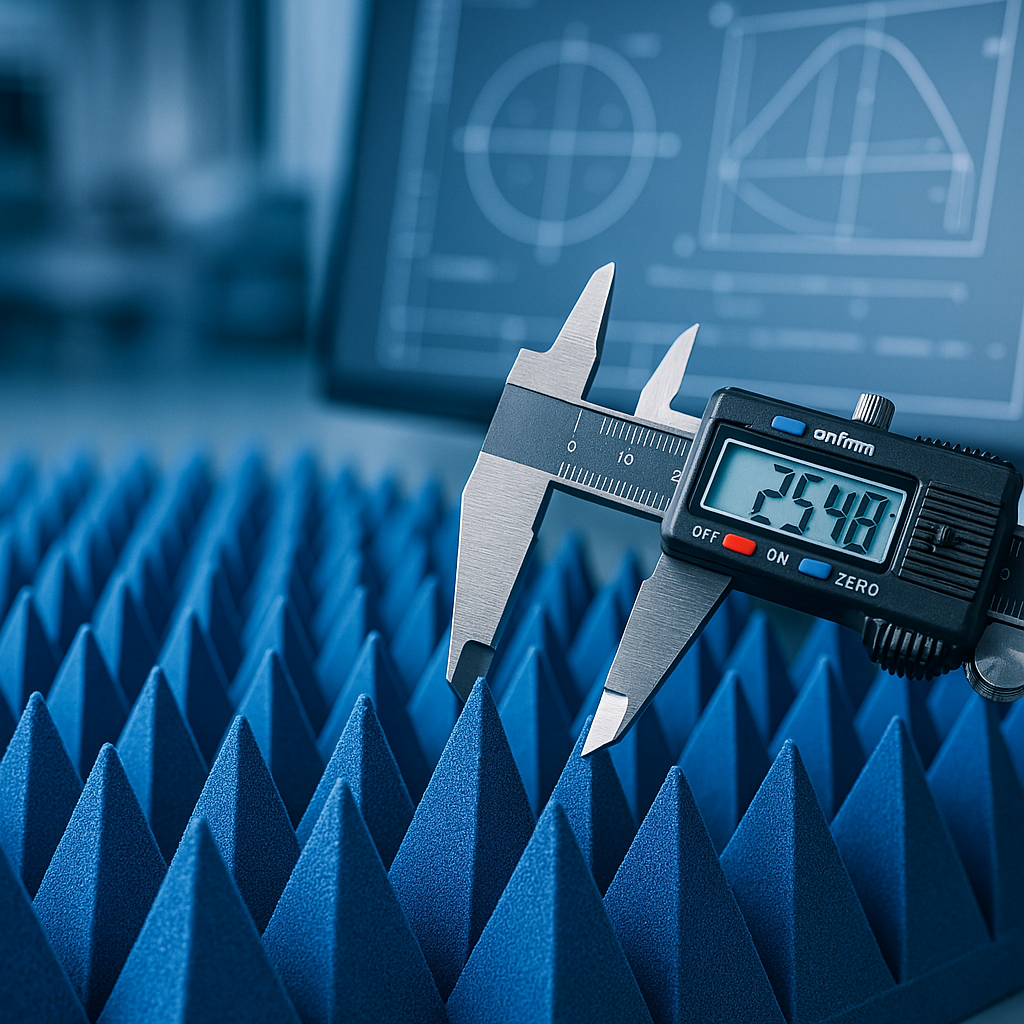
Testing laboratories recreate real-world electromagnetic conditions using specialized equipment. Anechoic chambers lined with electromagnetic absorbing materials eliminate external interference, while signal generators create precisely controlled electromagnetic fields. This controlled environment allows engineers to identify potential problems before devices reach consumers.
Understanding the Core Components of EMC Testing
The electromagnetic compatibility testing process encompasses multiple specialized measurements that work together to ensure comprehensive device validation. Each test addresses specific aspects of electromagnetic behavior that could affect safety or performance.
Emissions Testing: Controlling Electromagnetic Pollution
Electronic devices inevitably generate electromagnetic emissions during normal operation. These emissions can interfere with radio communications, disrupt other electronic equipment, or create safety hazards in sensitive environments.
Radiated emissions testing measures electromagnetic energy that devices broadcast into the surrounding environment. Test engineers place devices on rotating tables inside specialized chambers, using sensitive antennas to detect emissions across wide frequency ranges. The process reveals which frequencies generate the strongest emissions and whether these levels exceed regulatory limits.
Conducted emissions testing focuses on electromagnetic energy that travels through power cords and signal cables. This testing uses artificial power line networks to measure how much electromagnetic noise devices inject into electrical systems. Problems identified during conducted emissions testing often indicate power supply design issues that could affect other equipment connected to the same electrical circuit.
Immunity Testing: Building Resilience Against Interference
Modern electronic devices must continue to operate correctly despite constant exposure to electromagnetic interference from numerous sources. Immunity testing verifies this resilience through controlled exposure to various types of electromagnetic disturbances.
Electrostatic discharge testing simulates the effects of static electricity buildup and discharge. Test engineers apply precisely controlled static electricity charges to device surfaces and connection points, monitoring for malfunctions or permanent damage. This testing prevents failures that could occur when users touch devices after walking across carpeted floors or handling synthetic materials.
Surge immunity testing evaluates device responses to sudden voltage increases that commonly occur during thunderstorms or electrical switching operations. The testing applies high-voltage pulses to power supply connections while monitoring device behavior. Devices that fail surge testing might suffer permanent damage or create safety hazards during electrical storms.
EMC Testing's Role in Product Safety
The connection between electromagnetic compatibility and product safety extends far beyond preventing interference with other devices. EMC testing identifies potential safety hazards that could endanger users or cause property damage.
Critical Safety Applications
Medical devices represent perhaps the most critical application of EMC testing principles. Hospital environments contain dozens of electronic systems operating simultaneously, creating complex electromagnetic conditions that could affect life-saving equipment.
Consider these potential scenarios:
- Cardiac pacemakers must resist interference from security systems, wireless networks, and medical imaging equipment
- Surgical robots require precise control signals that cannot be disrupted by electromagnetic interference
- Patient monitoring systems must provide accurate readings despite nearby transmitters and switching equipment
- Defibrillators must deliver precise electrical pulses without being affected by electromagnetic disturbances
Each of these applications demonstrates why EMC certification requirements have become increasingly stringent for medical equipment. The stakes are simply too high to accept electromagnetic compatibility problems.
Automotive Safety Systems
Modern vehicles contain sophisticated electronic systems that control everything from engine performance to collision avoidance. These systems must work reliably despite exposure to electromagnetic interference from multiple sources.
Electronic stability control systems use electromagnetic sensors to detect vehicle movement and automatically apply brakes to prevent skids or rollovers. Electromagnetic interference could cause these systems to activate inappropriately or fail to respond during emergency situations.
Advanced driver assistance systems rely on radar, cameras, and wireless communications to detect obstacles and warn drivers of potential collisions. EMC testing ensures these systems continue operating correctly despite interference from radio transmitters, cell towers, and other vehicles' electronic systems.
Industrial Safety Considerations
Manufacturing facilities present unique electromagnetic challenges due to the presence of high-powered motors, welding equipment, and variable frequency drives. Safety systems in these environments must resist electromagnetic interference while maintaining their protective functions.
Emergency stop systems, gas detection equipment, and fire suppression controls all require electromagnetic compatibility testing to ensure reliable operation. A single electromagnetic compatibility failure in these applications could result in workplace injuries or equipment damage.
Comprehensive Testing Procedures and Standards
EMC testing follows established international standards that define specific test methods, equipment requirements, and performance criteria. These standards ensure consistent testing practices worldwide while addressing the unique requirements of different product categories.
International Standards Framework
The foundation of modern EMC testing rests on internationally recognized standards that have evolved over decades of experience. These standards address both general electromagnetic compatibility requirements and specific needs of particular industries or applications.
IEC 61000 series standards provide the fundamental framework for EMC testing and measurement methods. These standards define test procedures for residential, commercial, and industrial environments while establishing immunity requirements for various types of electromagnetic disturbances.
CISPR standards focus specifically on electromagnetic emissions from electronic equipment, establishing limits that protect radio communications and prevent interference between devices. These standards undergo regular updates to address new technologies and frequency allocations.
Testing Environment Requirements
Proper EMC testing requires specialized facilities designed to eliminate external electromagnetic interference while providing controlled test conditions. These facilities represent significant investments in equipment and expertise, ensuring accurate and repeatable measurements.
Anechoic chambers create electromagnetically quiet environments using specially designed absorbing materials that prevent reflections and eliminate external interference. These chambers enable the precise measurement of device emissions and immunity characteristics, ensuring that environmental variables do not affect the results.
Semi-anechoic chambers provide ground plane references while absorbing electromagnetic energy from other directions. This configuration simulates real-world installation conditions more accurately than fully anechoic environments for certain types of testing.
The Economic Impact of EMC Testing
EMC testing represents a significant investment for manufacturers; however, the costs of inadequate testing far outweigh the expenses of proper validation. Understanding these economic factors helps explain why comprehensive electromagnetic compatibility testing has become standard practice.
Cost of Non-Compliance
Products that fail to meet electromagnetic compatibility requirements face multiple financial consequences that can threaten business viability. These costs extend far beyond the immediate expenses of retesting and redesign.
Regulatory penalties for non-compliant products can include fines, import restrictions, and forced product recalls. European Union authorities can prohibit the sale of non-compliant products and impose significant financial penalties on manufacturers who fail to comply with EMC requirements.
Product recalls represent perhaps the most expensive consequence of inadequate EMC testing. Recalling thousands or millions of products from retail channels, repairing or replacing defective units, and managing customer communications create costs that can exceed entire product development budgets.
Market Access Benefits
EMC certification opens doors to global markets where electromagnetic compatibility requirements are mandatory. This market access provides revenue opportunities that justify testing investments many times over.
Competitive advantages emerge when manufacturers can demonstrate superior electromagnetic compatibility performance compared to competitors. Products with robust EMC designs often experience fewer customer complaints and warranty claims, resulting in a stronger brand reputation and increased customer loyalty.
Insurance and liability protection become increasingly important as electronic products become more complex and liability exposure grows. EMC certification demonstrates due diligence in product safety, which can potentially reduce insurance premiums and liability risks.
Final Thoughts
EMC testing has evolved from a regulatory requirement into a fundamental aspect of modern product development, directly impacting safety, reliability, and market success. The invisible electromagnetic forces that surround electronic devices create real consequences that extend far beyond simple compliance checkboxes.
The investment in comprehensive electromagnetic compatibility testing pays dividends through reduced liability exposure, improved product reliability, and access to global markets. As electronic systems become more complex and numerous, the importance of thorough EMC testing continues to grow rather than diminish.
Manufacturers who treat EMC testing as an integral part of their development process rather than a final hurdle gain competitive advantages through superior product performance and reduced time-to-market. The electromagnetic compatibility testing process reveals design insights that improve products beyond simple EMC compliance requirements.
Looking for high-quality RF absorbers? Browse our in-stock pyramidal absorbers — shipping from California in 1-2 business days.