Why EMC Medical Testing Is Critical for Medical Device Safety
Meta description: Learn why EMC medical testing is vital for ensuring the safety and reliability of medical devices. Discover testing standards and strategies.
Why an EMC Medical Test is Critical for Medical Device Safety
Hospital rooms today look more like technology hubs than the sterile, simple spaces of decades past. Heart monitors track every beat, ventilators support breathing, and IV pumps deliver precise medication doses. But what most people don't realize is that all these devices are constantly emitting invisible electromagnetic waves—and sometimes, these waves don't play nicely together.
When medical equipment starts interfering with each other through electromagnetic signals, the results can be deadly. A pacemaker might misread interference as a heartbeat. An infusion pump could calculate the wrong medication dose because its data got scrambled. These aren't theoretical problems—they're documented risks that make electromagnetic compatibility testing absolutely necessary.
Modern hospitals pack more electronics into smaller spaces than ever before. Operating rooms contain concentrated clusters of sophisticated machines. Patient rooms host monitoring equipment, electronic bed controls, and communication devices, all competing for electromagnetic space. Add in Wi-Fi networks, mobile phones, and even staff break room microwaves, and you've got a recipe for potential chaos.
What Actually Happens During Electromagnetic Testing
Medical devices face much stricter testing than regular consumer electronics. Your smartphone might freeze when it picks up interference—annoying, but not life-threatening. Medical equipment doesn't get that luxury. The EMC medical test puts devices through scenarios that simulate real hospital electromagnetic environments.
Testing breaks down into two main categories:
- Emission testing measures how much electromagnetic energy a device releases, making sure it won't interfere with nearby equipment.
- Immunity testing bombards devices with electromagnetic stress to confirm they keep working properly under pressure.
The Rules That Keep Devices in Line
The IEC 60601-1-2 standard acts as the rulebook for EMC standards for medical devices worldwide. Regulatory agencies across the globe recognize this framework, though each region adds its own flavor. The FDA won't approve devices for the American market without proper electromagnetic documentation. Europe requires it for CE marking. Countries like India, Australia, and practically every developed nation demand proof that medical devices won't fail when electromagnetic interference hits.
Getting through this testing isn't optional—it's the entry ticket to selling medical devices anywhere that matters.
Different Types of Electromagnetic Threats
Testing labs put devices through several specific scenarios. Electrostatic discharge testing simulates those little shocks you get after walking across carpet. These seem harmless, but they can crash medical device software or fry delicate circuits. Technicians apply controlled static pulses to surfaces where people might touch the device.
Radiofrequency testing exposes equipment to wireless communication waves. With hospitals going wireless and allowing personal phones, this has become increasingly relevant. Devices need to prove they won't glitch out when surrounded by cell signals and Wi-Fi routers.
Conducted testing examines how electromagnetic noise travels through power cables. Hospital electrical systems often have older infrastructure with voltage fluctuations and harmonics. An EMC medical test verifies that devices can filter out this electrical noise while not creating their own.
Where This Testing Actually Happens
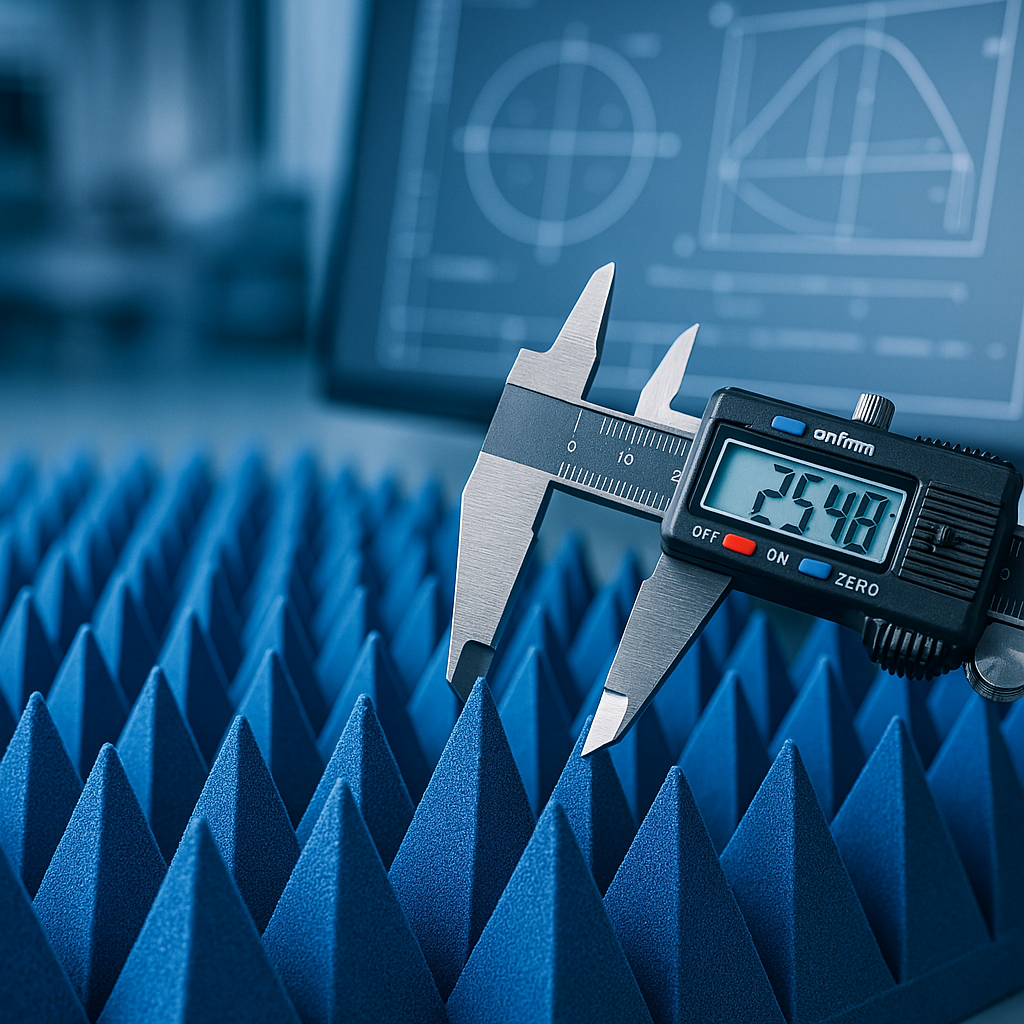
Specialized testing chambers create controlled electromagnetic environments that feel almost otherworldly. Semi-anechoic chambers have walls covered in pyramid-shaped foam that absorbs radio waves, creating rooms where electromagnetic reflections don't exist. These facilities come in different sizes depending on what's being tested.
The equipment inside these labs costs millions. Spectrum analyzers, signal generators, and antenna arrays work together to measure exactly how devices behave electromagnetically. Most manufacturers send their products to third-party labs rather than building these expensive facilities themselves.
Smart Strategies That Save Time and Money
Testing early makes financial sense. Manufacturers who wait until the last minute often discover their devices fail standards, triggering expensive redesigns and launch delays. Pre-compliance testing catches electromagnetic problems while products are still in development, when fixes are cheaper and faster.
The cost difference is staggering. Redesigning a circuit board during prototyping might run a few thousand dollars and take two weeks. Making those same changes after production tooling exists could mean scrapping expensive molds, redoing certifications, and accepting months of delay—not to mention lost sales.
When Devices Fail and How to Fix Them
Common problems show up repeatedly in testing. Conducted noise immunity failures happen when electromagnetic disturbances sneak through power cables and disrupt sensitive electronics. Engineers tackle these issues through several approaches:
- Optimizing firmware to make controllers more resistant to noise
- Adding filtering components that block interference before it reaches critical circuits
- Redesigning circuit board layouts to minimize electromagnetic vulnerabilities
- Switching to components with better electromagnetic characteristics
Radiated emission problems usually come from high-speed digital circuits, creating electromagnetic fields that leak out of device cases. Fixes might involve better shielding, adding ferrite beads to cables, or adjusting how circuits are laid out.
Building Smart from the Start
Forward-thinking manufacturers treat electromagnetic compatibility as a design requirement from day one, not an afterthought. Engineering teams select components with documented electromagnetic performance. Circuit boards get laid out following rules that minimize emissions and maximize immunity. Enclosures incorporate shielding from the beginning instead of trying to add it later.
This design approach transforms how products get built. Software includes filtering algorithms that maintain function despite interference. Hardware choices consider electromagnetic impact alongside cost and performance. The result? Devices that sail through testing instead of failing repeatedly.
Navigating Global Requirements
Electromagnetic rules vary slightly between regions, creating headaches for manufacturers wanting worldwide distribution. While the IEC 60601-1-2 standard provides international guidelines, individual countries enforce different versions or add extra requirements. An EMC medical test that works for European approval might need supplementary testing for FDA submission.
Smart manufacturers plan testing strategies that satisfy multiple regulatory systems at once. Testing to the toughest applicable standard often proves more efficient than separate assessments for each market. This requires understanding regional differences and picking test parameters that cover all relevant requirements.
The Real Cost of Cutting Corners
Market recalls from electromagnetic problems do serious damage. Patient safety incidents destroy trust in manufacturers and their products. Regulatory agencies intensify scrutiny after failures, making future approvals harder to get. Meanwhile, competitors swoop in to grab market share.
Financial impacts go beyond recall expenses. Legal liability for patient injuries from electromagnetic interference can reach devastating levels. Engineer time gets consumed fixing problems instead of developing new products. Insurance premiums jump after safety incidents. These factors make thorough electromagnetic testing look like a bargain.
Looking Ahead
Medical devices keep getting more complex, with wireless connectivity, sophisticated software, and faster processors. These advances create new electromagnetic challenges. The Internet of Medical Things means more equipment operating simultaneously in tighter spaces. Future testing protocols will need to address 5G networks, wearable medical devices, and advanced implantables.
Manufacturers tracking these developments position themselves to meet the coming requirements without frantic last-minute efforts. The EMC medical test isn't just a regulatory checkbox—it's fundamental proof that devices can perform safely despite the electromagnetic chaos of modern healthcare. Devices that pass this testing work reliably when lives depend on them, which is exactly the point.
Final Thoughts
Electromagnetic testing might seem like technical nitpicking, but it stands between functioning medical devices and potentially fatal failures. The invisible nature of electromagnetic interference makes it easy to ignore until disaster strikes. Manufacturers who treat EMC standards for medical devices as core requirements rather than obstacles build better products, reach markets faster, and avoid catastrophic failures that sink unprepared competitors. In healthcare, where equipment literally keeps people alive, that testing rigor isn't excessive—it's exactly what the situation demands.
Looking for high-quality RF absorbers? Browse our in-stock pyramidal absorbers — shipping from California in 1-2 business days.