The Role of EMC EV Testing in Reliable Battery and Powertrain Design
Meta description: Discover how EMC testing ensures electric vehicle reliability, preventing interference in batteries, powertrains, and electronic systems for smooth performance.
The Role of EMC EV Testing in Reliable Battery and Powertrain Design
Electric vehicles pack more electronics into smaller spaces than anyone thought possible twenty years ago. Battery cells, inverters, motor controllers, and charging systems all compete for room. This crowding creates problems that traditional cars never faced.
When a driver presses the accelerator, multiple systems spring into action simultaneously. The battery management system tracks voltage across hundreds of cells. Inverters switch on and off thousands of times each second. Motor controllers adjust power delivery based on wheel speed, temperature, and driver input. Communication systems exchange data while sensors monitor everything from tire pressure to ambient temperature.
Without proper EMC EV protocols, these systems would interfere with each other constantly. Imagine your car's braking system receiving false signals during highway driving. Picture the battery management system misreading cell voltages during charging. These aren't theoretical concerns—they're real risks that testing prevents.
High-voltage operation makes electric vehicles particularly vulnerable to electromagnetic problems. Battery packs operate at several hundred volts with currents that can spike dramatically during acceleration or regenerative braking. These electrical conditions generate strong electromagnetic fields that radiate throughout the vehicle structure. Any nearby electronic component becomes a potential victim of interference.
The Technical Foundation of EMC EV Testing
How Testing Protocols Protect Vehicle Integrity
Two distinct approaches form the backbone of EV EMC testing:
- Emission testing measures the electromagnetic energy that components release
- Immunity testing evaluates how well systems resist external interference
- System-level validation checks how everything works together
Each approach reveals different potential problems. Emission testing catches components that act like miniature radio transmitters, broadcasting interference to other systems. Immunity testing identifies weak points where external electromagnetic fields could disrupt normal operation.
Engineers start with individual components during emission testing. Inverters get examined first because they switch high currents at rapid rates. DC-DC converters come next, followed by charging systems and battery management units. Specialized antennas capture electromagnetic signatures across frequency ranges that span from kilohertz to gigahertz. Standards like CISPR 25 define maximum allowable emissions, creating clear benchmarks that components must meet.
The Complexity of Immunity Assessment
Immunity testing flips the script entirely. Instead of measuring what components emit, engineers blast them with controlled electromagnetic fields. Test equipment generates everything from continuous radio waves to sharp transient spikes. Components must continue functioning correctly throughout this electromagnetic assault.
Battery management systems receive intense scrutiny during immunity tests. A misread voltage could trigger incorrect charging decisions. Cells might overcharge and overheat, or the system might stop charging prematurely. Either outcome compromises vehicle safety and usability.
Powertrain components face equally demanding tests. Motor controllers sit close to high-current cables that generate powerful magnetic fields. These controllers must maintain precise operation even when electromagnetic chaos surrounds them. A controller that stutters under electromagnetic stress delivers jerky acceleration or unexpected power cuts.
System-Level Integration Testing
Testing individual components tells only part of the story. Real vehicles contain dozens of systems that interact constantly. What works perfectly in isolation might fail when integrated with other components.
Cable routing becomes surprisingly important during system-level EMC EV testing. Poorly positioned cables transform into antennas that either broadcast interference or collect external noise. Ground connections require careful attention because improper grounding creates loops that amplify electromagnetic problems. Shielding must protect not just individual parts but entire subsystems as they exist in production vehicles.
High-voltage architecture demands special consideration. The main battery cable can carry hundreds of amperes, creating magnetic fields strong enough to induce currents in nearby wiring. Engineers must verify that these induced currents don't cause problems in sensitive electronics. Sometimes the solution involves rerouting cables; other times it requires additional shielding or filtering.
Real-World Implementation and Industry Evolution
From Standards to Practice
International regulations create a complex web of requirements. ISO 11452 provides immunity test procedures that apply globally. Regional markets add their own emission limits and specific test conditions. Manufacturers selling vehicles worldwide must satisfy all applicable standards.
Early electric vehicle production taught the industry hard lessons. Some vehicles experienced radio interference during hard acceleration. Others showed intermittent sensor failures that troubleshooting teams eventually traced to electromagnetic disturbances. These field problems drove improvements in test procedures and design practices.
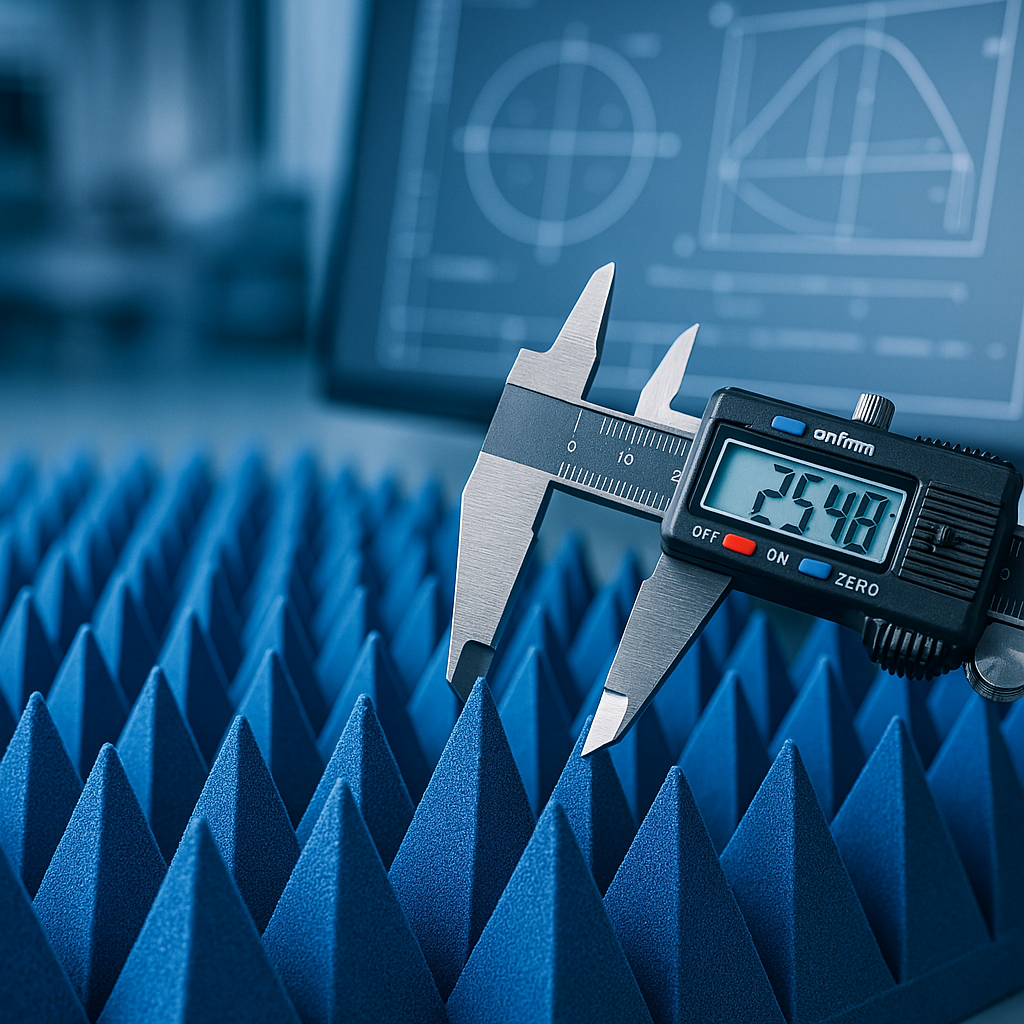
Modern test facilities resemble something from science fiction. Anechoic chambers feature walls covered in radio-absorbent pyramids that eliminate reflections. Reverberation chambers create intense electromagnetic environments using statistical methods. Some facilities combine temperature chambers with electromagnetic testing because component behavior changes with temperature.
The Economic Case for Rigorous Testing
Thorough EMC EV testing costs money and takes time. Production schedules feel pressure when testing reveals problems that require design changes. Yet the alternative proves far more expensive.
Design flaws discovered after production begins create nightmares. Retrofit solutions rarely work as well as a proper initial design. Adding shielding or filters to finished vehicles involves both parts and labor. Some problems resist economical fixes entirely.
Quality issues damage brand reputation in ways that persist for years. Buyers remember vehicles that exhibited mysterious electrical problems. They share these experiences online, where negative reviews multiply. Preventing problems through rigorous testing protects both immediate finances and long-term brand value.
Innovation in Testing Methodologies
Simulation tools now complement physical testing throughout development. Engineers model electromagnetic behavior before building prototypes. These simulations allow rapid evaluation of design alternatives. Multiple configurations can be compared quickly.
Physical testing remains irreplaceable despite simulation advances. Real-world electromagnetic interactions exceed what current software can fully predict. Manufacturing variations affect results. Cable routing differs slightly between individual vehicles. Components age in ways that change their electromagnetic characteristics. Smart development programs use simulation for guidance, then validate everything through physical tests.
Wireless charging adds new testing requirements. These systems deliberately generate powerful magnetic fields to transfer energy across air gaps. Nearby electronics must tolerate these fields without malfunctioning. Vehicle-to-grid communication creates another challenge—maintaining reliable data transmission in electromagnetically noisy environments.
Building Consumer Confidence
Vehicle buyers rarely think about electromagnetic compatibility. They notice its effects without understanding the underlying technology. Reliable battery range estimates depend on accurate measurements that interference could corrupt. Smooth acceleration requires precise motor control that electromagnetic disturbances could disrupt.
Manufacturers that excel at EV EMC testing don't usually advertise this achievement directly. The benefits appear as overall reliability and refinement. Vehicles that undergo thorough testing exhibit fewer mysterious electrical problems over time. Owners enjoy trouble-free operation without knowing why their vehicles work so well.
Ensuring Long-Term Reliability Through Comprehensive Testing
EMC EV testing influences vehicles throughout their entire lifespan. Design engineers use early testing to guide component selection. Production teams verify that manufacturing maintains electromagnetic compatibility across thousands of vehicles. Service departments apply electromagnetic knowledge when diagnosing field problems.
Battery aging introduces time-dependent electromagnetic considerations:
- Internal impedance changes as batteries degrade
- Electromagnetic signatures shift over time
- Initial testing must account for these aging effects
- Long-term compatibility requires forward-thinking design
The transition to electric mobility has transformed electromagnetic compatibility from a specialized engineering concern into a fundamental requirement. Modern electric vehicles depend on sophisticated electronic systems that must coexist peacefully. Without reliable EV EMC testing, these systems couldn't function with acceptable reliability.
Summing Up
Every smooth acceleration reflects successful electromagnetic compatibility testing. Every accurate range estimate validates proper EMC EV protocols. Every successful charging session demonstrates that battery and powertrain systems operate without interference. These everyday experiences rest on a foundation of rigorous testing that most drivers never see or consider.
As electric vehicles evolve toward greater sophistication, electromagnetic compatibility testing will grow more demanding. Autonomous features, wireless charging, and vehicle-to-grid communication all raise the stakes. The invisible work of ensuring electromagnetic compatibility remains essential to electric mobility's future. Testing protocols that protect battery and powertrain systems from interference will continue enabling the reliable performance that drivers expect and deserve.
Looking for high-quality RF absorbers? Browse our in-stock pyramidal absorbers — shipping from California in 1-2 business days.