Applications of Anechoic Foam in Automotive and Electronics Testing
Meta description: Discover how anechoic foam is used in automotive and electronics testing to ensure precise sound and signal measurements without interference or reflections.
Applications of Anechoic Foam in Automotive and Electronics Testing
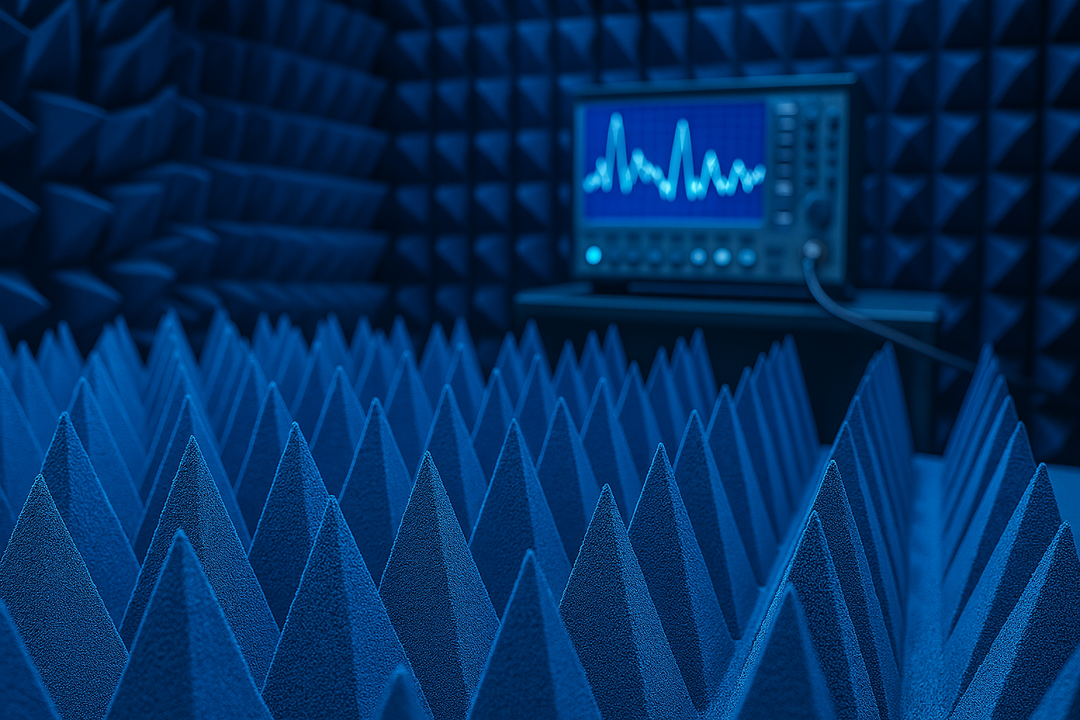
Testing labs need quiet spaces where engineers can measure sound and signals without interference. That's where specialized foam comes in—designed not to block noise, but to absorb it completely. These materials create environments where reflections disappear, leaving only the pure data that engineers need for accurate measurements.
Why Testing Environments Need Special Foam
Anechoic foam works differently from regular soundproofing. Instead of bouncing sound back into a room, it traps acoustic energy within its structure. The open-cell polyurethane design converts sound waves into tiny amounts of heat, preventing echoes that would ruin test results.
Shape plays a huge role here. Wedge and pyramid patterns aren't just for looks—they increase surface area and create a gradual transition between air and foam. This design prevents the sharp reflections that standard flat materials would cause.
How the Automotive Industry Uses Anechoic Chambers
Car makers deal with noise problems at every stage of development. These foam-lined rooms help them figure out what's making unwanted sounds and how to fix them.
Tracking Down Engine Noise
When engineers test engines, they need to hear exactly what each component produces. Anechoic chamber foam eliminates wall reflections so microphones capture true sound signatures. A clicking valve sounds different from bearing noise, but engineers can clearly tell them apart only in a properly treated room.
Testing reveals problems before they reach customers. That annoying hum at highway speeds? Caught and fixed in the anechoic chamber before production starts.
Solving Electric Vehicle Sound Challenges
Electric motors create their own acoustic headaches. High-frequency whines and electromagnetic interference require different testing approaches than traditional engines. The foam handles these frequencies well, letting engineers map out exactly which conditions produce which sounds.
Battery systems and inverters add more complexity. Each component gets tested individually in these quiet spaces, ensuring nothing creates unexpected noise when everything runs together.
Making Cars Sound Right
Here's something most people don't think about: how a car door sounds when it closes matters. A lot. Premium brands spend serious money getting that "thunk" just right.
Testing these details requires silence. Anechoic chamber absorber material removes room acoustics from the equation. Engineers can then focus on:
- Door seal effectiveness
- Panel vibration patterns
- Trim piece resonances
- Material damping properties
A rattling dashboard or buzzing speaker becomes obvious when there's nothing else making noise.
Tuning Audio Systems
Car speakers face tough conditions. Reflective glass, irregular shapes, and competing frequencies create acoustic chaos. Testing systems in foam-lined chambers shows how speakers really perform before engineers install them in vehicles.
Frequency response measurements need reflection-free environments. Only then can engineers understand what the speaker does versus what the car interior adds. This baseline data drives the tuning process for specific vehicle models.
Understanding Tire Noise
Tires contribute heavily to cabin noise, especially at highway speeds. Different tread patterns, rubber compounds, and inflation pressures all affect the sounds transmitted inside. Anechoic foam lets engineers isolate tire noise from everything else.
Some facilities build rotating platforms inside these rooms. Tires spin under realistic loads while microphones capture noise data without contamination from external sources.
Electronics Testing Needs Different Solutions
Electronic devices face strict regulations before hitting store shelves. Anechoic foam designed for electromagnetic waves creates the clean measurement environment that certification requires.
Proving Products Meet Standards
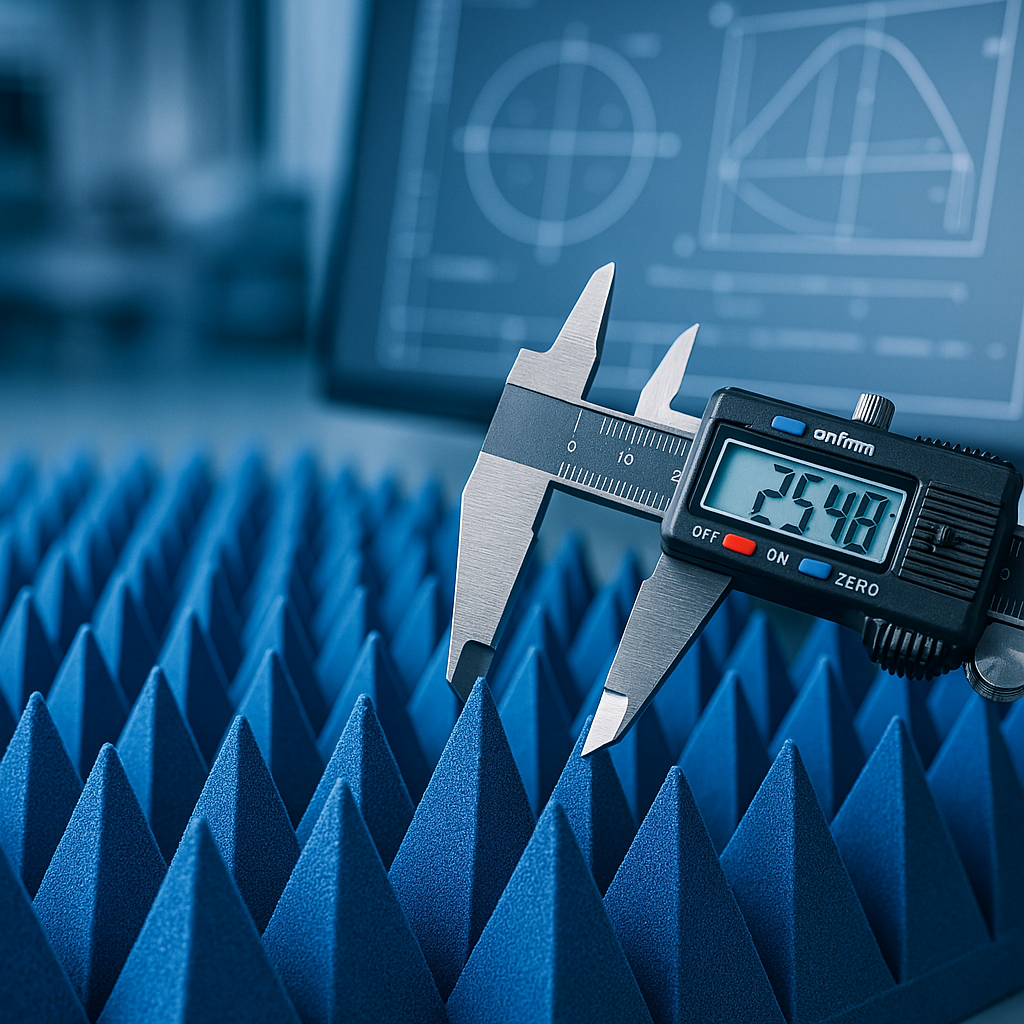
Every wireless device must demonstrate it won't interfere with other electronics. Carbon-loaded foam pyramids absorb radio frequencies instead of reflecting them back toward the test equipment. Without this absorption, measurements would include wall reflections that distort actual device performance.
Regulatory agencies like the FCC require this testing. Products that fail don't get sold—it's that simple. The foam makes accurate measurements possible.
Measuring Antenna Performance
Smartphone antennas pack into impossibly small spaces. How well do they work when you hold the phone? What happens when multiple antennas operate simultaneously? These questions get answered in rooms lined with anechoic foam.
Radiation pattern measurements demand that only the test antenna transmits or receives signals. Any room reflections would create interference patterns showing false performance data. The foam removes this problem entirely.
Certifying Wireless Devices
Modern products use multiple wireless standards simultaneously. Wi-Fi, Bluetooth, cellular—all these systems need testing before products reach consumers. Testing facilities cover chamber walls with anechoic chamber absorber material tuned to relevant frequency ranges.
Engineers measure several parameters:
- Transmitted power levels
- Receiver sensitivity
- Interference between wireless systems
- Signal quality under various conditions
Certification depends on accurate data collected in these controlled spaces.
Supporting Medical Technology Development
Healthcare electronics face extra scrutiny because lives depend on them. Will a pacemaker malfunction near an MRI machine? Could a mobile phone interfere with an infusion pump? Testing in anechoic chambers helps answer these critical safety questions.
Medical device makers also optimize wireless telemetry that transmits patient data. Signal strength and battery life measurements require the same controlled environments that other wireless testing demands.
What Makes This Foam Work
The science behind anechoic foam combines material properties with clever geometry. Open-cell polyurethane provides the base absorption, while shape determines frequency response.
Cell size affects which frequencies get absorbed best. Smaller cells typically handle higher frequencies more effectively. Density matters too—denser foam extends absorption toward lower frequencies, though at higher cost and weight.
Wedge designs present angled surfaces that diffuse and absorb simultaneously. The gradual thickness change creates a varying acoustic impedance that minimizes reflections. Pyramid patterns achieve similar results with a different look that some facilities prefer.
Meeting Safety Requirements
Testing facilities follow building codes that address fire safety. Quality anechoic foam carries appropriate fire ratings without sacrificing acoustic performance. Chemical treatments or inherent material properties provide this protection.
Durability affects long-term costs. Good foam resists damage from temperature swings, humidity changes, and continuous use. Facilities running constant tests need materials that maintain performance for years.
Setting Up Effective Test Chambers
Installing foam involves more than sticking panels to walls. Room dimensions must avoid sizes that create resonance problems that the foam can't fix. The relationship between sound wavelengths and room size becomes especially tricky at low frequencies.
Many facilities use raised wire mesh floors with foam underneath. This approach treats reflections from below just like those from walls and the ceiling. The result is a fully anechoic space where measurements stay clean from all directions.
Following Industry Guidelines
Automotive testing references ISO and SAE standards that specify acceptable chamber performance. These define how much absorption chambers need and at which frequencies. Choosing the right anechoic foam determines whether facilities meet these benchmarks.
Electronics testing follows different standards from regulatory bodies. The foam must provide specified absorption across frequency ranges relevant to tested products. Verification measurements confirm performance before chambers get certified for compliance work.
Practical Considerations
Polyurethane anechoic foam costs less than fiberglass or mineral wool alternatives for mid and high frequencies. Lightweight panels simplify installation and reduce structural requirements. Existing rooms can often be retrofitted without major construction work.
Performance limits exist at low frequencies where wavelengths grow large compared to practical foam thicknesses. Some applications combine foam with other materials or active systems to extend frequency ranges. Specific testing needs determine whether pure foam solutions work or whether hybrid approaches make more sense.
Looking Ahead
Material science keeps improving anechoic foam through new polymer formulations and geometric designs. Computer modeling helps optimize structures before building physical prototypes. The goal remains better absorption with less material and lower costs.
Electromagnetic absorbing foams benefit from advances in carbon loading and metamaterial concepts. These developments extend absorption to higher frequencies needed for new wireless standards and radar systems.
Cars increasingly blur the line between vehicles and electronics. Testing facilities need chambers handling both acoustic and electromagnetic requirements simultaneously. This convergence pushes innovation in multi-functional foam designs serving both purposes effectively.
Looking for high-quality RF absorbers? Browse our in-stock pyramidal absorbers — shipping from California in 1-2 business days.