Compact Anechoic Chamber System: A Comparison with Full-Size Chambers
Meta-description: Compare compact anechoic chamber systems with full-size chambers for testing needs in 2025, exploring size, cost, efficiency, and suitability for various applications.
Compact Anechoic Chamber System: A Comparison with Full-Size Chambers
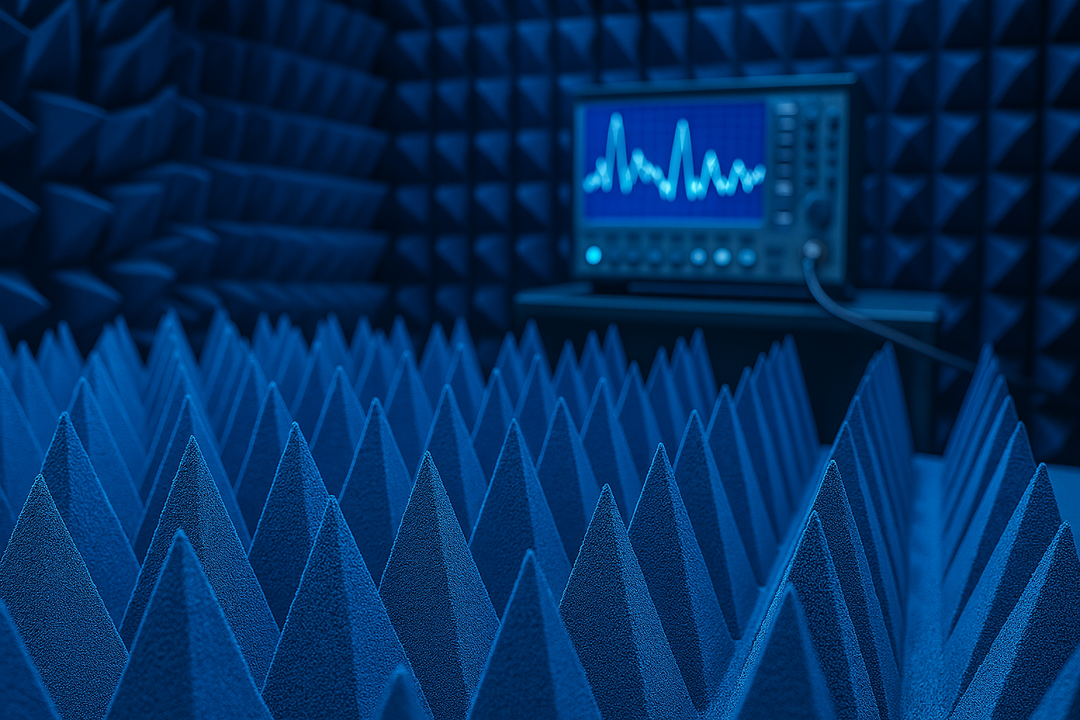
Acoustic and electromagnetic testing depends heavily on the environment where it takes place. Anechoic chambers create controlled, reflection-free conditions that prevent sound waves or electromagnetic radiation from bouncing around and distorting measurements. Without these specialized spaces, test results become unreliable and potentially misleading.
Traditional full-size chambers have dominated the testing industry for years, but compact anechoic chamber systems are changing how organizations approach testing infrastructure. The real question isn't about which option is superior—it's about matching the right tool to specific needs and constraints.
How Much Room Do You Really Need?
The most obvious difference between these chamber types is their physical size. A compact anechoic chamber system fits comfortably within existing laboratory spaces or production floors, taking up just a fraction of the area required by full-size chambers. This means companies can add testing capabilities without constructing new buildings or leasing additional space.
Full-size chambers tell a different story. These massive installations often span hundreds or thousands of cubic meters, requiring dedicated facilities with reinforced structures. Construction timelines stretch across months or years, and the planning process alone can delay projects significantly.
Key space advantages of compact systems:
- Fits in existing labs and production areas
- No need for dedicated buildings
- Enables on-site testing
- Reduces facility modification costs
Cost Realities Nobody Talks About
Initial purchase price represents just one piece of the financial puzzle. A compact anechoic chamber system typically costs less upfront due to smaller material requirements and simpler construction. Installation expenses also stay manageable since existing facilities rarely need major renovations.
Full-size chambers demand substantial capital investment that extends well beyond construction materials. Organizations must account for specialized HVAC systems, ongoing maintenance of large volumes of acoustic materials, and higher energy consumption. These operational costs compound over years of use.
The return on investment depends entirely on testing requirements. Companies working with smaller devices and conducting routine quality checks often find compact systems provide excellent value. Those needing full compliance certification for large equipment may discover that full-size chambers justify their expense through capabilities that compact versions cannot match.
Testing Capabilities: Where Each System Shines
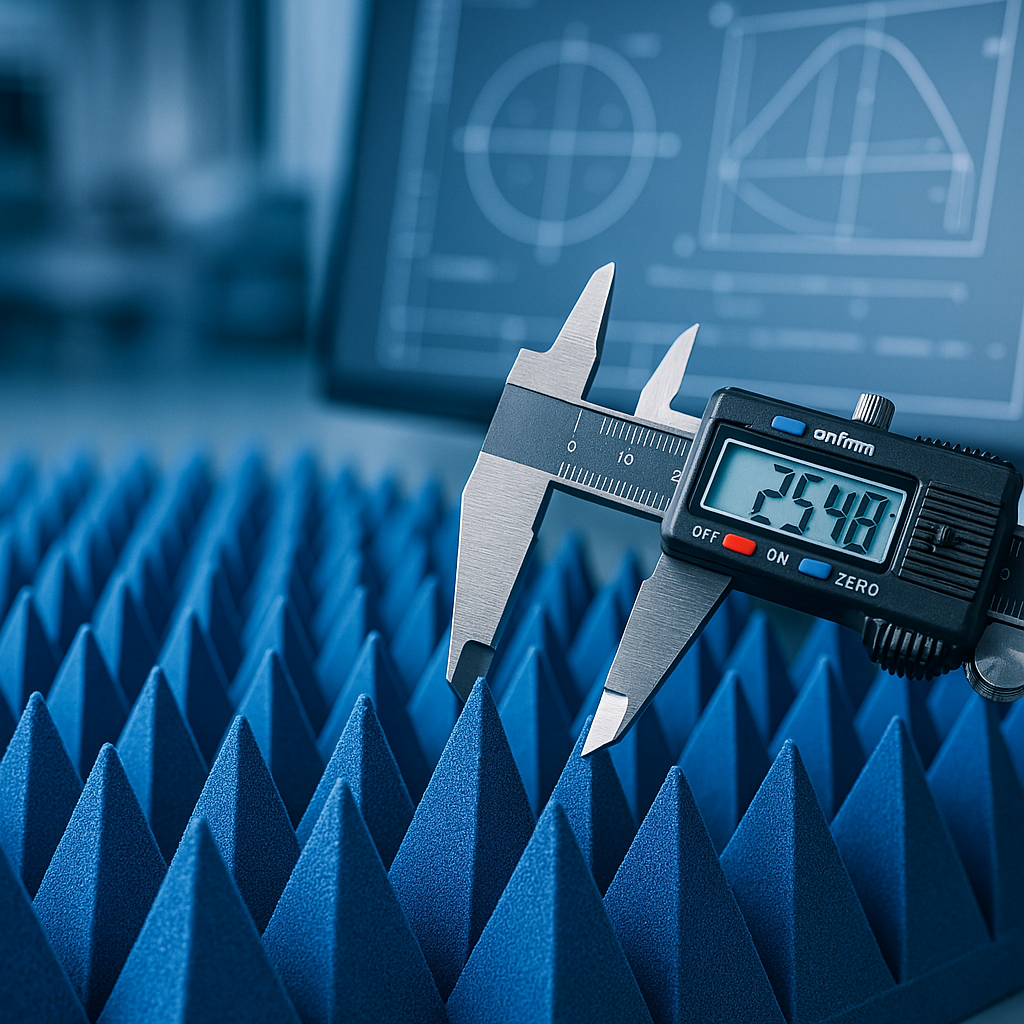
Compact anechoic chamber systems excel at testing smaller devices across specific frequency ranges, particularly in millimeter-wave applications. These systems deliver impressive accuracy when equipment fits within their physical limits and frequency parameters.
However, testing below 300 MHz presents challenges for compact chambers. Lower frequencies have longer wavelengths that require more space for accurate free-field conditions. Full-size chambers handle broader frequency spectrums precisely because their dimensions allow proper absorption of these longer wavelengths.
Feature
Compact Chamber System
Full-Size Chamber
Ideal test objects
Small devices, components
Vehicles, large equipment, aircraft parts
Frequency range
Optimized for specific ranges (e.g., mmWave)
Wide spectrum from low to high frequencies
Testing speed
Fast, parallel testing possible
Slower, extensive setup required
Compliance testing
Pre-compliance, quality control
Full certification and validation
Where Compact Systems Work Best
The compact anechoic chamber system finds its natural home in several scenarios:
- Electronics manufacturing quality control
- Pre-compliance testing during product development
- Research facilities with limited space
- Online testing integrated into production lines
Full-size chambers remain necessary for automotive noise testing, aerospace component validation, and situations where regulations mandate specific testing environments. Defense and military applications frequently require the comprehensive capabilities that only large facilities can provide.
Accuracy Isn't One-Size-Fits-All
Modern compact systems achieve excellent precision within their designed parameters. Advanced absorber materials and smart engineering minimize reflections effectively for their intended applications. However, full-size chambers offer the most rigorous reflection-free environments possible, creating conditions that closely approximate theoretical free space.
The accuracy question circles back to application requirements. Many organizations achieve perfectly acceptable precision in compact systems for development work, quality assurance, and pre-compliance verification. Final certification testing and high-stakes validation typically demand the uncompromising performance of full-size chambers.
Speed and Efficiency in Action
Time matters in competitive markets. The compact anechoic chamber system enables significantly faster testing cycles, especially for radiated emissions testing. Some configurations allow multiple devices to be tested simultaneously, multiplying throughput without proportionally increasing costs.
Full-size chambers require more time for comprehensive testing. Antenna height sweeps and thorough measurement protocols can consume hours or days per test sequence. This thoroughness serves important purposes but limits the number of tests possible within tight timeframes.
On-site testing capabilities transform workflows entirely. When chambers integrate directly into production lines, quality control becomes continuous rather than batch-oriented, catching defects immediately and reducing waste.
What Actually Matters for Your Situation
Selecting between chamber types requires an honest assessment of actual needs. Consider these factors:
Essential decision criteria:
- Typical size of equipment under test
- Required frequency ranges
- Regulatory compliance requirements
- Available budget and space
- Testing volume and speed needs
Organizations should examine whether most products fall within compact system capabilities. Even occasional requirements for large equipment testing might justify full-size chamber access, whether through ownership or third-party testing services.
Budget Planning That Makes Sense
Financial constraints shape many decisions, but smart planning looks beyond purchase prices. Total cost of ownership includes installation, operational expenses, maintenance, and opportunity costs from testing delays.
A compact anechoic chamber system might cost significantly less upfront while also reducing ongoing expenses. For organizations with consistent testing needs, full-size facilities can deliver value through comprehensive capabilities and long operational lifespans.
Phased investment strategies work well for many companies. Starting with compact systems addresses immediate needs while allowing for future expansion as budgets and requirements evolve. This staged approach reduces financial risk while maintaining necessary testing capabilities.
The Hybrid Approach
Smart testing strategies increasingly use both chamber types in complementary roles. The compact anechoic chamber system handles routine testing, quality control, and development work. Full-size chambers tackle final validation, compliance certification, and specialized scenarios requiring their unique capabilities.
This tiered approach optimizes resource allocation across product portfolios. Some organizations maintain compact chambers for daily use while partnering with third-party facilities for periodic full-size chamber access when truly needed.
Wrapping Up
The comparison between compact anechoic chamber systems and full-size chambers reveals no universal winner. Each serves distinct purposes within acoustic and electromagnetic testing ecosystems. Success comes from aligning chamber selection with actual requirements rather than pursuing capabilities just because they exist.
Compact systems bring efficiency and cost-effectiveness to organizations whose testing fits within their envelope. Full-size chambers remain indispensable when absolute precision matters, equipment dimensions demand it, or regulations require it. The future of testing likely involves sophisticated use of both types rather than dominance by either approach. Understanding these differences leads to better decisions that serve both immediate needs and long-term goals.
Looking for high-quality RF absorbers? Browse our in-stock pyramidal absorbers — shipping from California in 1-2 business days.