What are EMC Measurements?
What are EMC Measurements?
EMC (Electromagnetic Compatibility) measurements are systematic testing procedures used to evaluate how electronic devices and systems interact with electromagnetic environments. EMC measurements determine whether devices can operate properly without causing harmful interference to other equipment and whether they can function correctly when subjected to electromagnetic disturbances from external sources. These measurements are essential for regulatory compliance, product certification, and ensuring reliable operation of electronic systems in real-world environments.
In simple terms, EMC measurements test two critical aspects of electronic devices: their ability to control electromagnetic emissions that could interfere with other equipment, and their immunity to electromagnetic interference from external sources. Unlike basic functionality testing, EMC measurements specifically focus on electromagnetic behavior, ensuring devices play nicely with other electronics in their operating environment.
How Do EMC Measurements Work?
EMC measurements operate through controlled testing procedures that expose devices to specific electromagnetic conditions while monitoring their performance and emissions. During emissions testing, specialized equipment measures the electromagnetic energy radiated or conducted by the device under test, comparing these levels against regulatory limits. For immunity testing, calibrated electromagnetic fields or conducted disturbances are applied to the device while operators monitor for malfunctions, performance degradation, or operational failures.
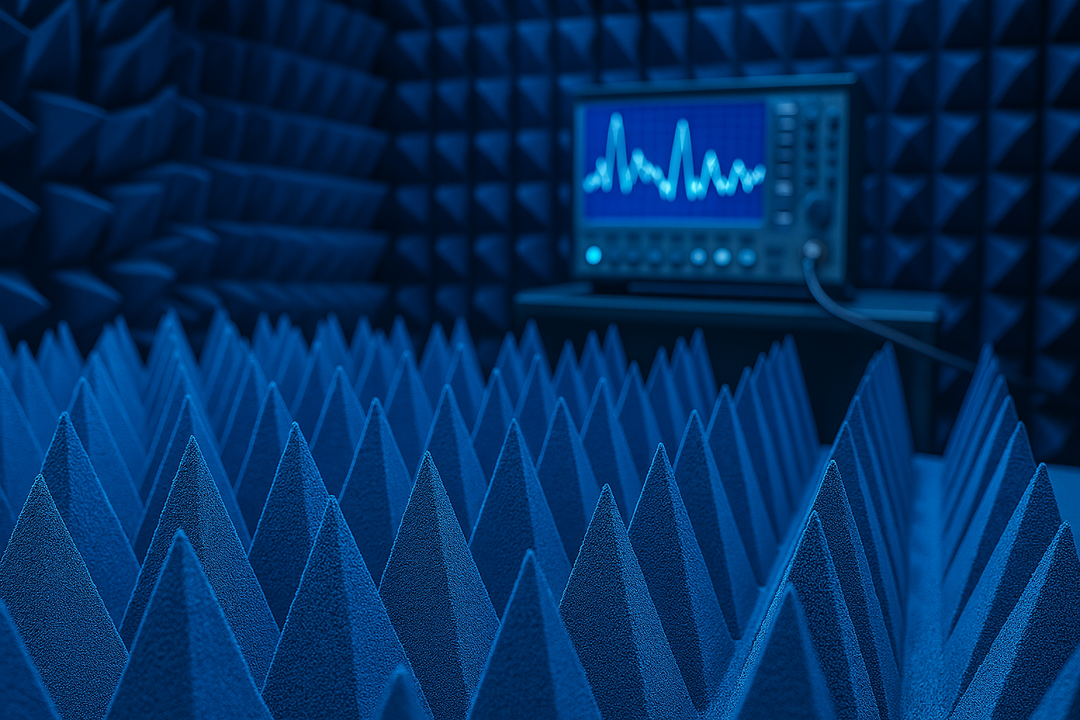
For example, when testing a laptop computer for EMC compliance, engineers place the device in an anechoic chamber and use spectrum analyzers to measure electromagnetic emissions across various frequency bands. Simultaneously, they subject the laptop to controlled electromagnetic interference to verify it continues operating normally without crashes, display issues, or connectivity problems.
Types of EMC Measurements
Radiated Emissions Testing: This measurement evaluates electromagnetic energy radiated through space by the device, typically conducted in anechoic chambers using calibrated antennas and spectrum analyzers to ensure emissions remain within regulatory limits across specified frequency ranges.
Conducted Emissions Testing: These measurements assess electromagnetic energy that travels through power lines, data cables, and other connected conductors, using specialized equipment like LISNs (Line Impedance Stabilization Networks) to isolate and measure conducted disturbances.
Radiated Immunity Testing: This testing exposes devices to controlled electromagnetic fields at various frequencies and power levels to verify continued proper operation, simulating real-world interference from radio transmitters, cell phones, and other radiating sources.
Conducted Immunity Testing: These measurements evaluate device performance when electromagnetic disturbances are injected directly into power and signal cables, testing resilience against power line interference, switching transients, and other conducted disturbances.
ESD Testing: Electrostatic discharge testing simulates static electricity events that devices might encounter during handling or operation, ensuring they can withstand and recover from electrostatic discharges without permanent damage or malfunction.
Key Features of EMC Testing
Standardized Test Procedures: EMC measurements follow internationally recognized standards such as CISPR, IEC, and FCC regulations, ensuring consistent and repeatable testing procedures across different laboratories and geographic regions.
Frequency Range Coverage: Modern EMC testing covers broad frequency ranges from 9 kHz to 40 GHz or higher, addressing electromagnetic compatibility across the entire useful spectrum from power line frequencies to millimeter wave communications.
Controlled Test Environment: EMC measurements require specialized facilities including anechoic chambers, shielded rooms, and calibrated test equipment to eliminate external interference and ensure accurate, repeatable results.
Quantitative Performance Criteria: EMC standards define specific numerical limits for emissions and immunity levels, providing clear pass/fail criteria rather than subjective evaluations of electromagnetic performance.
Real-World Simulation: EMC testing protocols simulate actual electromagnetic environments that devices will encounter in their intended applications, ensuring test results predict real-world performance.
Benefits of EMC Measurements
EMC measurements provide manufacturers with confidence that their products will operate reliably in electromagnetic environments typical of their intended use, reducing field failures and customer complaints related to electromagnetic interference issues.
With standardized testing procedures, EMC measurements enable global market access by demonstrating compliance with international electromagnetic compatibility regulations, streamlining product approval processes across different countries and regions.
EMC testing enhances product quality by identifying electromagnetic compatibility issues early in the design process, allowing engineers to implement fixes before mass production rather than dealing with costly recalls or redesigns.
Applications of EMC Measurements
Consumer Electronics Certification: EMC measurements are mandatory for virtually all consumer electronic products including smartphones, computers, televisions, and home appliances before they can be legally sold in most markets worldwide.
Automotive Electronics Testing: Modern vehicles contain numerous electronic systems that must coexist electromagnetically, requiring comprehensive EMC testing to ensure reliable operation of engine management, safety systems, and infotainment components.
Medical Device Compliance: Medical equipment undergoes rigorous EMC testing to ensure patient safety and device reliability in hospital environments with high concentrations of electromagnetic equipment and potential interference sources.
Industrial Equipment Certification: Manufacturing equipment, process control systems, and industrial automation devices require EMC testing to ensure reliable operation in electromagnetically noisy industrial environments.
Military and Aerospace Applications: Defense and aerospace systems undergo specialized EMC testing to ensure mission-critical equipment operates reliably in complex electromagnetic environments including radar systems, communication networks, and electronic warfare scenarios.
EMC measurements represent a critical component of modern electronic product development, ensuring devices can coexist harmoniously in our increasingly electromagnetic world. By systematically evaluating both electromagnetic emissions and immunity characteristics, EMC testing protects consumers, enables global commerce, and ensures the reliable operation of electronic systems across all industries from consumer products to life-critical applications.
Related: Explore our RF absorber products or read more on our technology blog.