Complete Guide to Antenna Testing: Methods, Equipment, and Best Practices

Antenna testing is a critical process in developing and quality assurance wireless communication devices. This technical procedure ensures that antennas perform according to specifications and meet industry standards before being integrated into final products. The testing process involves measuring various parameters determining how effectively an antenna can transmit and receive electromagnetic signals across different operating conditions.
What is Important in Accurate Antenna Assessment
When manufacturers conduct antenna testing, they evaluate several key performance metrics, including radiation patterns, gain, efficiency, and impedance matching. These measurements help engineers identify potential issues affecting wireless connectivity in real-world scenarios. Even the most advanced wireless devices can experience poor signal quality, limited range, and unreliable connections without proper testing.
The antenna diagnostics market continues to grow as wireless technologies become more prevalent daily. From smartphones and IoT devices to automotive systems and satellite communications, the need for accurate and comprehensive signal performance assessment has never been greater. Examining antenna components early in the development cycle helps prevent costly redesigns and ensures optimal performance when products reach consumers.
The Technical Process of Antenna Testing
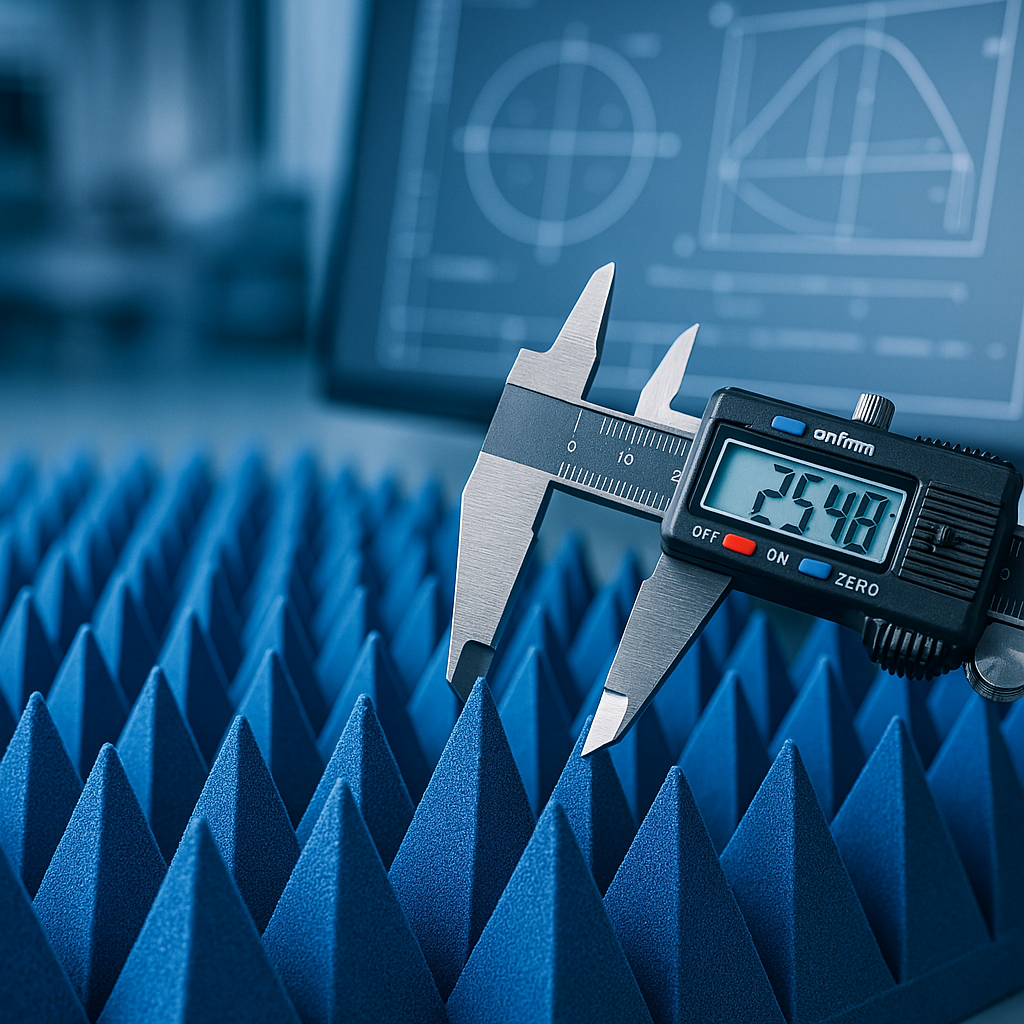
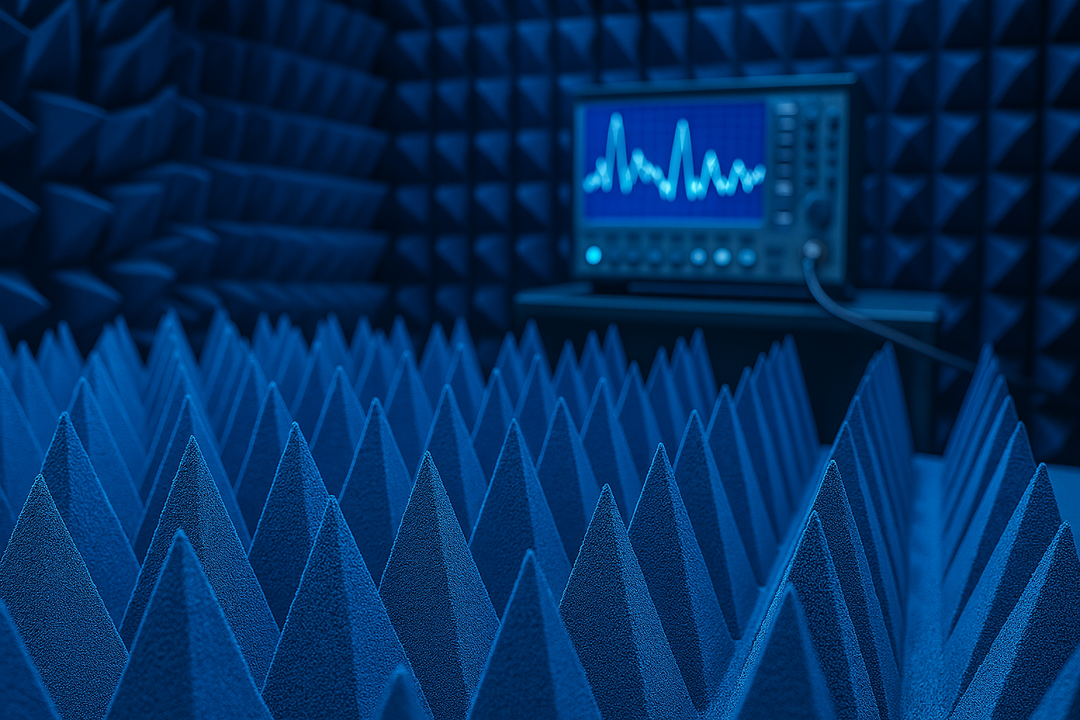
The technical aspects of electromagnetic performance evaluation require specialized knowledge and equipment. Before any measurements can be taken, engineers must establish a controlled testing environment that minimizes external interference. This often involves using shielded rooms or anechoic chambers that absorb electromagnetic energy and prevent signal reflections.
Testing Methodology and Standards
The process of antenna testing follows specific protocols designed to evaluate performance under controlled conditions. Engineers typically begin with basic impedance measurements using network analyzers to determine how well the antenna matches with the transmission line. This initial step helps identify issues that could cause signal reflection and power loss.
Advanced radiowave performance analysis requires specialized environments that eliminate external interference. Anechoic chambers provide an ideal setting for these measurements by absorbing electromagnetic waves and preventing reflections that could skew results. Inside these chambers, test antenna setups can accurately measure radiation patterns and gain across multiple frequencies.

Industry standards govern wireless component validation procedures to ensure consistency and reliability. Organizations like IEEE and IEC have established detailed guidelines for testing different types of antennas across various applications. Following these standards helps manufacturers verify that their products will perform reliably in diverse operating environments and comply with regulatory requirements.
The key parameters measured during antenna testing include:
-
Gain: measures the antenna's ability to direct energy in a specific direction
-
Efficiency: determines what percentage of input power is actually radiated
-
Bandwidth: identifies the frequency range where the antenna operates effectively
-
Return loss: quantifies how much power is reflected back to the source
-
Radiation pattern: maps the three-dimensional distribution of radiated energy
These measurements provide a comprehensive picture of antenna performance that guides further development and optimization.
Equipment Used in Antenna Performance Testing
The quality of antenna testing equipment directly influences the accuracy of measurement results. Vector network analyzers represent one of the most important tools in this process, allowing engineers to measure both magnitude and phase characteristics of transmitted and reflected signals. These sophisticated instruments help quantify how efficiently an antenna transfers power.
Another essential component in the testing workflow is the reference antenna. This calibrated device serves as a known standard against which test antennas are compared. Reference antennas must be precisely characterized and maintained to ensure measurement accuracy. The 50/15 test antenna signal setup is commonly used as a baseline configuration in many professional testing facilities.
Positioning systems also play a crucial role in comprehensive antenna testing. These motorized platforms rotate the antenna under test through various angles, allowing for the creation of three-dimensional radiation pattern maps. Modern testing systems often incorporate automated positioning equipment that can perform complex measurement sequences with minimal human intervention.
Data Collection and Analysis
The final phase of antenna testing involves collecting and analyzing measurement data to evaluate performance against requirements. Modern testing systems generate enormous amounts of data that must be processed and interpreted correctly. Software tools help engineers visualize radiation patterns, calculate efficiency metrics, and identify potential design issues.
When calibrating testing equipment, technicians must verify that all components in the measurement chain maintain specified accuracy levels. Regular calibration ensures that test results remain consistent and trustworthy over time. This aspect of quality control is particularly important for facilities that test high-precision antenna systems.
Applications and Advancements in Antenna Testing
The applications for antenna measurement techniques span numerous industries and technology sectors. Each field has unique requirements that influence testing methods and equipment selection. Understanding these diverse applications helps engineers develop testing approaches that deliver relevant, actionable results.
Testing antenna performance has become increasingly important as wireless connectivity expands into new product categories. Even devices not primarily designed for communication often incorporate wireless features that require antenna testing. This proliferation has driven demand for more accessible and efficient testing methods.
Industry Applications
The telecommunications sector relies heavily on rigorous radio wave analysis to ensure network infrastructure performs reliably. Base station antennas undergo extensive testing to verify coverage patterns and capacity before deployment. As 5G networks continue to expand, testing antenna elements has become increasingly complex due to the use of massive MIMO and beamforming technologies.
Consumer electronics manufacturers also invest significantly in testing facilities. Smartphones, tablets, and wearable devices contain multiple antennas that must function properly despite size constraints and proximity to other components. Testing these integrated antennas requires specialized equipment and methodologies that simulate real-world usage scenarios, including human body effects.

The automotive industry represents another major application area for antenna testing. Modern vehicles incorporate numerous wireless systems for everything from keyless entry to advanced driver assistance features. These systems must operate reliably in challenging environments, making comprehensive performance evaluation essential during vehicle development.
Advanced Testing Techniques
Near-field to far-field transformation techniques have revolutionized antenna testing by allowing engineers to predict far-field performance from measurements taken at close range. This approach reduces the size requirements for testing facilities while still providing accurate characterization of large antennas. The computational methods behind these transformations continue to improve, enhancing measurement precision.
Over-the-air (OTA) testing represents another significant advancement in the field. Rather than connecting antennas directly to test equipment, OTA methods evaluate performance under conditions that more closely resemble actual use. This approach has become particularly important for testing complex wireless devices with integrated antenna systems that cannot be easily accessed with traditional methods.
Challenges in Modern Antenna Testing
As wireless devices become smaller and more integrated, traditional testing approaches face increasing challenges. The miniaturization of components makes it difficult to isolate antenna performance from other system elements. Engineers must develop new testing methodologies that address these complexities while still providing meaningful results.
Multipath interference presents another significant challenge in antenna testing. Real-world environments contain numerous surfaces that reflect radio signals, creating complex propagation scenarios. Advanced testing environments now incorporate programmable multipath simulators that can reproduce these conditions in a controlled setting.
The growing frequency range of wireless communications also complicates the testing process. As systems move into millimeter-wave bands for 5G and beyond, measurement equipment must operate at higher frequencies with greater precision. This transition has driven the development of specialized antenna testing equipment designed specifically for high-frequency applications.
Final Thoughts
Antenna testing represents a critical but often overlooked aspect of wireless system development. Even the most innovative wireless products cannot deliver reliable performance without rigorous testing procedures. As communication technologies continue to advance, the importance of comprehensive testing will only increase.
The field of antenna testing continues to evolve alongside wireless technology. New methodologies, equipment, and computational approaches are enhancing our ability to characterize antenna performance with greater precision than ever before. Companies that invest in modern testing capabilities gain significant competitive advantages through improved product quality and reduced development time.
For engineers and manufacturers in the wireless industry, understanding the fundamentals of antenna validation provides essential knowledge for creating successful products. Developers can ensure that their wireless systems deliver optimal performance under real-world conditions by implementing thorough testing processes using appropriate equipment and methodologies.
Ready to Equip Your Anechoic Chamber?
dB Absorber offers NRL 8000 certified pyramidal RF absorbers in sizes from 2″ to 36″. In-stock products ship from California in 1–2 business days.
Browse RF Absorbers →