Why You Need an Anechoic Chamber for Antenna Measurement
Meta description: Discover the importance of an anechoic chamber for antenna measurement. Ensure accurate, interference-free testing for your wireless product development.
Why You Need an Anechoic Chamber for Antenna Measurement
Testing antennas in regular office spaces creates a mess of problems. Radio waves bounce off every surface—walls, ceilings, metal desks, even coffee mugs—turning what should be clean measurements into a jumble of confusing data. An anechoic chamber for antenna measurement cuts through this chaos by blocking outside interference and absorbing internal reflections.
Modern wireless devices depend on antennas working exactly right. A smartphone that drops calls, a GPS that can't lock onto satellites, or a wireless router with dead zones—these frustrations often trace back to antenna problems that weren't caught during development. Testing in the wrong environment means engineers miss critical issues until products reach customers.
The Reflection Problem
Radio waves don't vanish when they hit obstacles. They bounce back, creating echoes that blend with the original signal. Picture shouting in a bathroom versus shouting outside. The bathroom echo makes it hard to hear the original voice clearly. The same thing happens with electromagnetic signals in normal testing spaces.
Standard laboratories introduce variables that change by the hour. Someone moves a metal shelf, and suddenly, test results shift. A delivery truck parks outside the building, and measurements drift. Weather changes affect how building materials interact with radio waves. These unpredictable factors turn precision measurements into educated guesses.
How the Chambers Work
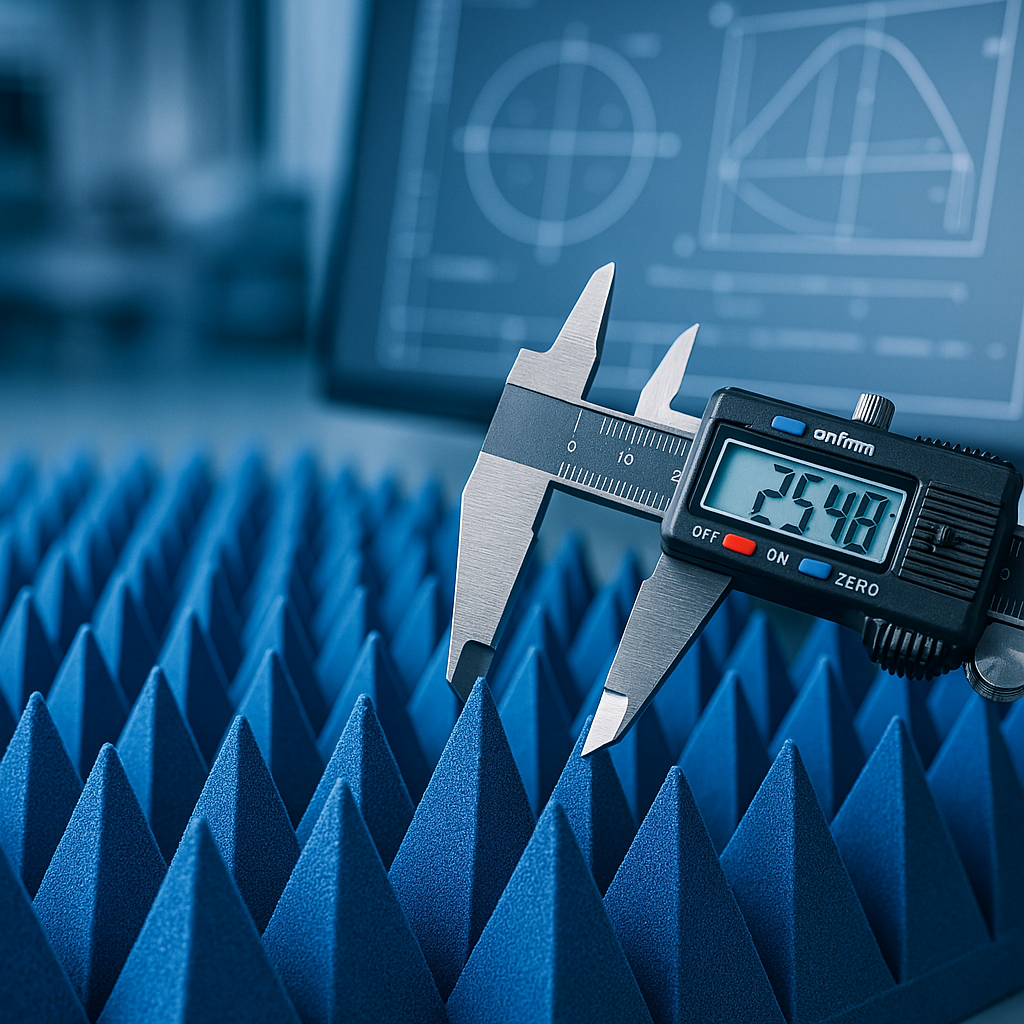
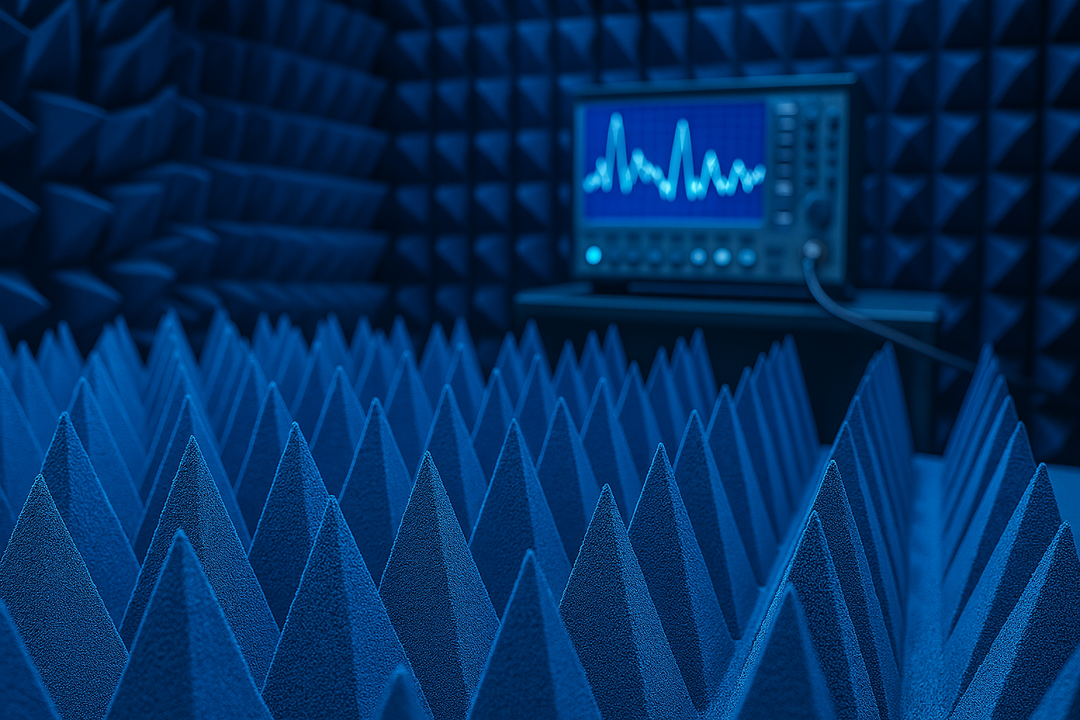
The word "anechoic" means without echo. These rooms earn the name through pyramid-shaped foam absorbers covering every surface. The pyramids trap radio waves, converting electromagnetic energy into tiny amounts of heat instead of reflecting it back into the room.
But absorbers alone aren't enough. An antenna measurement chamber also needs metal shielding built into the walls to block external signals. Radio stations, cell towers, Wi-Fi networks—the modern world drowns in electromagnetic noise. The metal barrier keeps all that interference outside while the internal absorbers handle any waves generated during testing.
Chamber sizes vary wildly based on what needs testing. A small room might handle smartphone antennas, while massive facilities accommodate satellite dishes or aircraft communication systems. The frequency being tested determines minimum size requirements, since longer wavelengths need more space to behave properly.
Getting Real Data on Radiation Patterns
Antennas don't spray radio waves equally in all directions. Most concentrate energy in specific patterns, whether a focused beam for satellite links or a broad spread for room coverage. Knowing these patterns matters for everything from positioning cell towers to designing vehicle communication systems.
Testing inside an anechoic chamber for antenna measurement means mounting the antenna on a computer-controlled rotation platform. As it spins through hundreds of positions, receivers measure signal strength from every angle. This builds a three-dimensional map showing exactly where the antenna radiates strongly and where it doesn't. Reflections would completely corrupt this data, creating fake hot spots and dead zones that don't actually exist.
The precision here makes a difference. Engineers spot manufacturing defects, verify that production units match prototypes, and figure out optimal antenna placement within devices. Without clean measurements, they're working blind.
What the Numbers Really Mean
Gain and Efficiency
Gain shows how well an antenna focuses energy compared to a theoretical perfect antenna. Higher gain means more punch in the preferred direction. But measuring it accurately requires knowing the exact power levels at both transmitter and receiver, with no interference muddying the waters.
An antenna measurement chamber delivers that clarity. Only the direct signal path matters—no reflections, no outside interference. This precision becomes crucial for applications like GPS receivers catching whisper-quiet signals from satellites orbiting thousands of miles overhead.
Efficiency reveals a different story: how much input power actually radiates versus how much turns into waste heat. Poor efficiency drains batteries in portable devices and demands beefier amplifiers in base stations. Testing efficiency needs accurate measurements at both the antenna input and in the radiated field.
Matching and Standing Waves
Voltage Standing Wave Ratio (VSWR) indicates impedance matching between the antenna and its feed line. Mismatches waste power and can damage transmitters. An anechoic chamber for antenna measurement allows precise VSWR testing across all operating frequencies without environmental factors skewing results.
Good impedance matching matters because even brilliant antenna designs fail when they can't properly connect to their systems. The standard 50-ohm impedance used in most RF equipment needs to see a compatible load. Testing reveals whether matching networks need tweaking or whether the basic design needs rethinking.
Meeting Regulatory Requirements
Government agencies regulate wireless emissions to prevent interference chaos. The FCC in America, ETSI in Europe, and similar bodies worldwide demand proof that devices meet emission standards before they can be sold.
Here's what regulatory testing typically covers:
- Spurious emission limits to prevent interference with other services
- Power output verification across operating frequencies
- Out-of-band rejection to ensure signals stay where they belong
- Electromagnetic compatibility with other nearby devices
An antenna measurement chamber provides the controlled, repeatable environment that regulators accept as valid proof. Without access to proper testing facilities, manufacturers can't legally sell wireless products in major markets. This makes the chamber less a nice-to-have and more a business necessity.
The Consistency Factor
Measurements need repeatability. Testing the same antenna today and next month should give identical results if nothing about the antenna has changed. Regular testing environments fail this basic requirement because conditions constantly shift.
Chamber testing removes these variables. Temperature stays stable, humidity stays controlled, and the electromagnetic environment remains constant. Engineers can confidently compare measurements taken months apart, which proves invaluable when checking manufacturing quality or tracking down intermittent problems.
Research work especially benefits from this consistency. When modifying a design to boost performance, engineers need to know whether changes in test results come from their modifications or from testing conditions. An anechoic chamber for antenna measurement eliminates the second possibility.
Beyond Basic Measurements
Time-domain testing examines how antennas respond to pulses rather than continuous signals. Radar systems and ultra-wideband communications rely on this data. Chamber absorbers prevent delayed reflections that would blur the true impulse response.
Near-field scanning maps electromagnetic fields close to the antenna surface, then mathematically transforms this data into far-field patterns. This technique allows testing antennas too large for traditional far-field measurements while still benefiting from the chamber's reflection control.
Over-the-air testing evaluates complete devices, not isolated antennas. A finished smartphone includes the antenna integrated with the phone body, electronics, and battery—all affecting real performance. An antenna measurement chamber accommodates this whole-device testing approach.
Why Indoor Beats Outdoor
Outdoor test ranges once offered the only option for large separation distances. But they suffer from weather delays, ground reflections, and interference from commercial radio to passing aircraft. Indoor chambers eliminate these headaches while providing year-round availability.
The time savings add up fast. Outdoor testing might mean waiting days for good weather. Chamber testing runs on schedule, multiple shifts if needed. For organizations developing several antenna designs simultaneously, this productivity advantage becomes substantial.
Security matters too. Outdoor ranges expose prototypes to observation by competitors. The enclosed chamber protects proprietary designs during development when secrecy carries the most value.
Planning for Tomorrow's Technology
Wireless systems keep pushing toward higher frequencies—millimeter waves for 5G and beyond. At these shorter wavelengths, tiny imperfections have magnified effects, and traditional testing methods become inadequate. An anechoic chamber for antenna measurement provides the foundation for developing next-generation systems with confidence.
The explosion of IoT devices multiplies the number of wireless products needing development and testing. Vehicles add wireless systems at an accelerating pace. Medical devices increasingly depend on wireless connectivity. All these applications demand reliable antennas, and reliable antennas require quality testing facilities.
Making It Work for Your Business
Organizations developing wireless products face a choice: build a chamber, rent time at existing facilities, or partner with universities and testing labs. Companies with continuous antenna development often find the investment justified by productivity gains and measurement quality. Quick design iterations, all-weather testing, and maintained confidentiality add value beyond measurement capability alone.
Smaller operations might share access through partnerships or rent chamber time as needed. These arrangements provide verification testing and compliance measurements without the capital investment of building a dedicated facility.
Accurate antenna measurements aren't optional anymore—they're fundamental to wireless product success. An anechoic chamber for antenna measurement removes the interference and environmental chaos that corrupts conventional testing. The result? Engineers get reliable data, products meet regulatory standards, and end users experience better performance.
Looking for high-quality RF absorbers? Browse our in-stock pyramidal absorbers — shipping from California in 1-2 business days.